













Home » Areas We Serve » Aledo » Standing Water
Standing Water & Drainage Solutions in Aledo, TX
Stop the pooling. Protect your property. Install drainage solutions that last.
Standing water is rarely the real problem by itself. It usually points to poor runoff control, low spots, compacted soil, or a drainage system that is not moving water away fast enough. If left alone, pooling water can weaken turf, stress plant material, stain hardscapes, and place unnecessary pressure on nearby foundation areas.
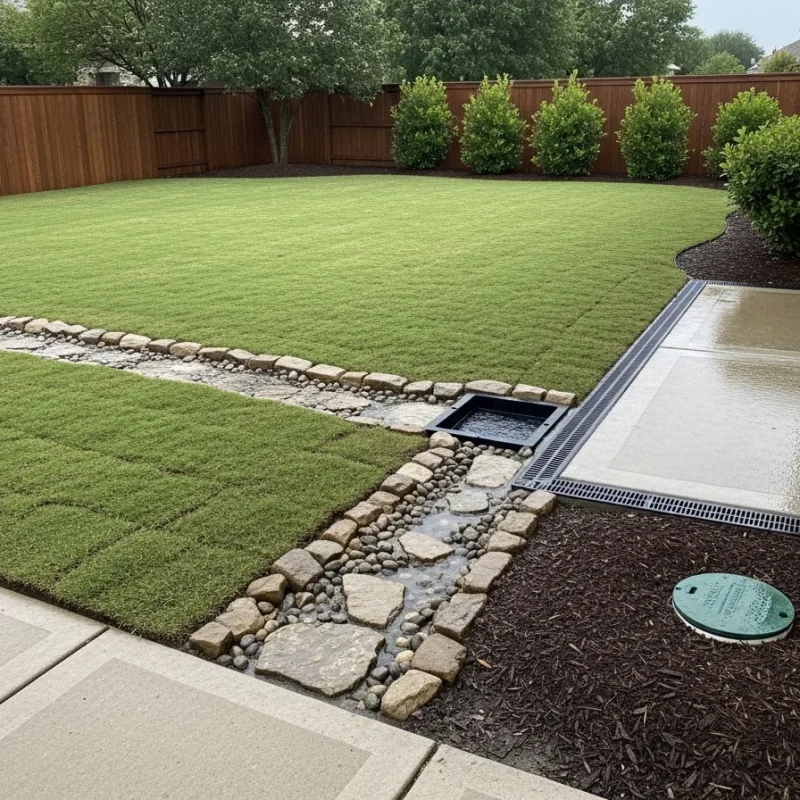
Black Hill Landscaping provides standing water and drainage solutions for Aledo, TX properties through site-based diagnosis, grade evaluation, and targeted stormwater drainage solutions. We identify why the area stays saturated, then recommend the right fix, whether that means yard drainage corrections, french drain installation, surface drainage system work, landscape drainage improvements, or a more complete yard drainage system update.


How We Solve Standing Water Problems
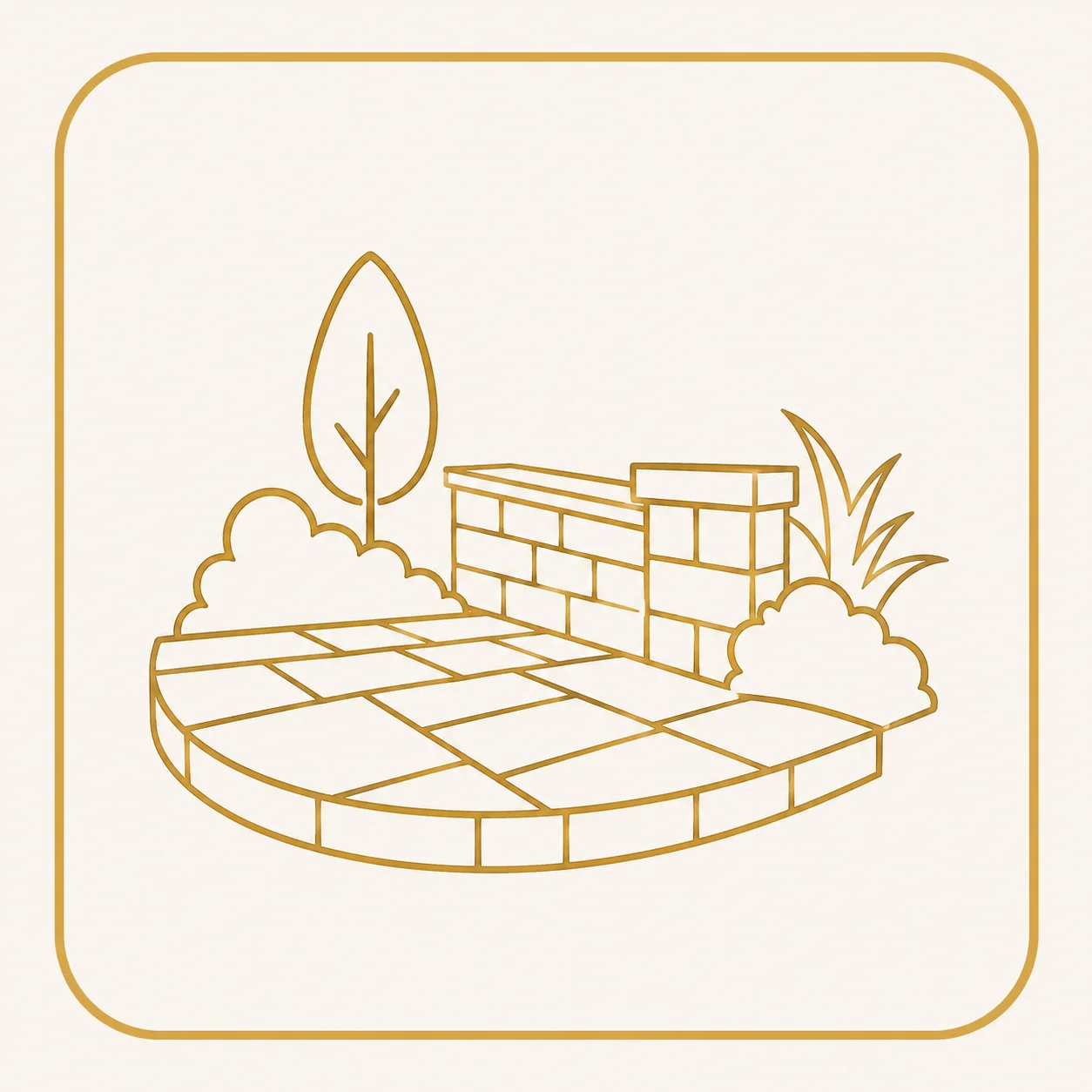
Landscape and Structural Preservation
Flow Performance Optimization
Standing Water Solutions for Aledo, TX Properties
Surface pooling rarely comes from just one issue. Black Hill Landscaping evaluates standing water as a full drainage problem by reviewing grading, soil conditions, runoff direction, and the existing yard drainage system. That allows us to determine why water is collecting and why it is not leaving the property the way it should.
Each site assessment identifies low points, blocked flow paths, oversaturated zones, and drainage weak spots that keep the area wet after rain. Our drainage solutions are designed to correct water movement permanently, not hide symptoms for a few weeks. We complete the work with efficiency and with a focus on long-term performance under North Texas rainfall and clay-heavy soil conditions.
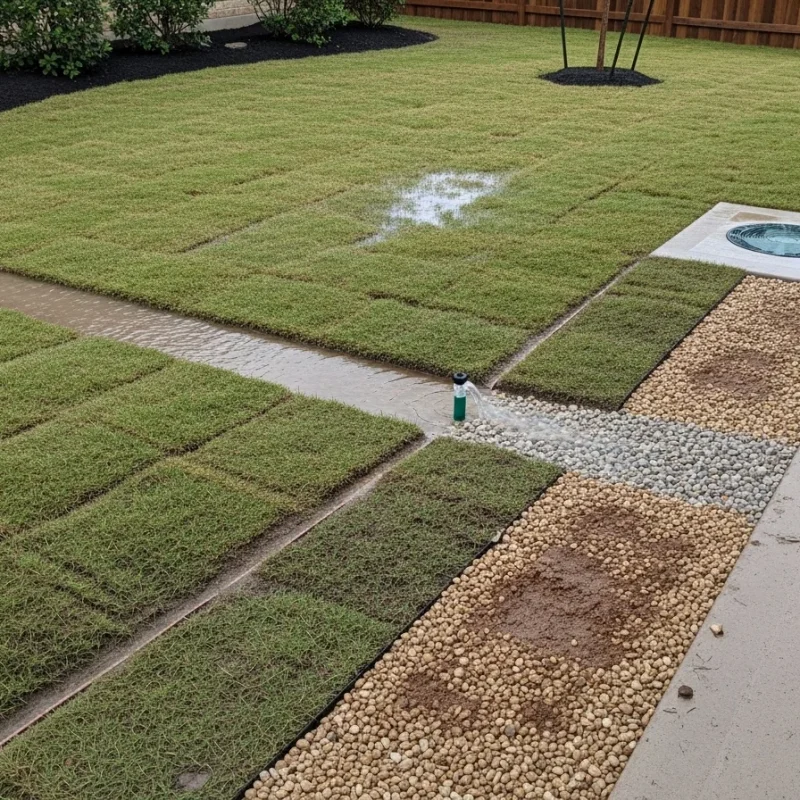
Where Standing Water Shows Up
We utilize precision solutions designed to eliminate pooling, restore proper drainage, and protect your property from recurring saturation issues.
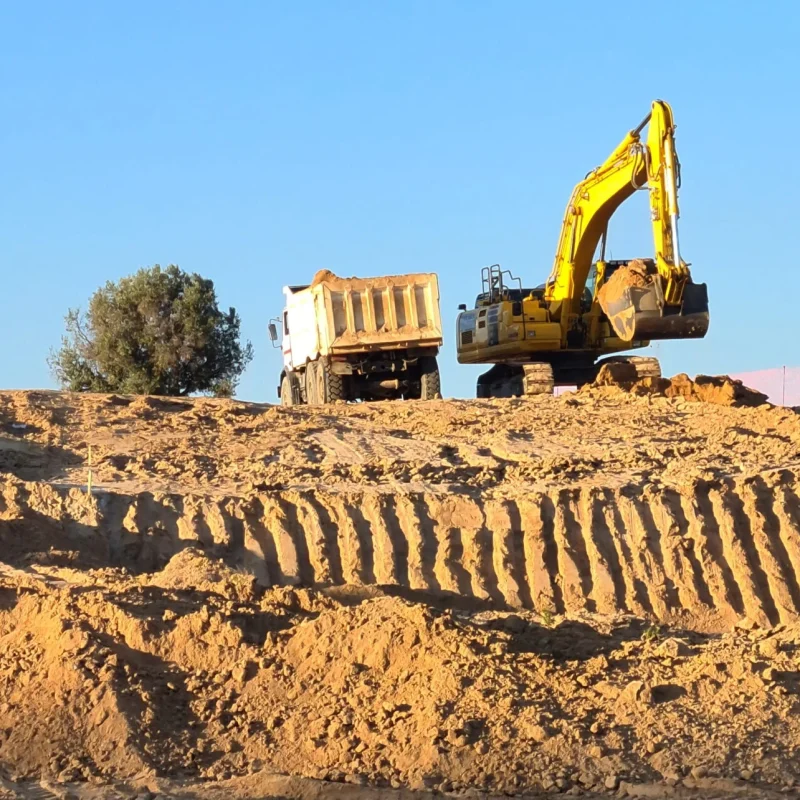
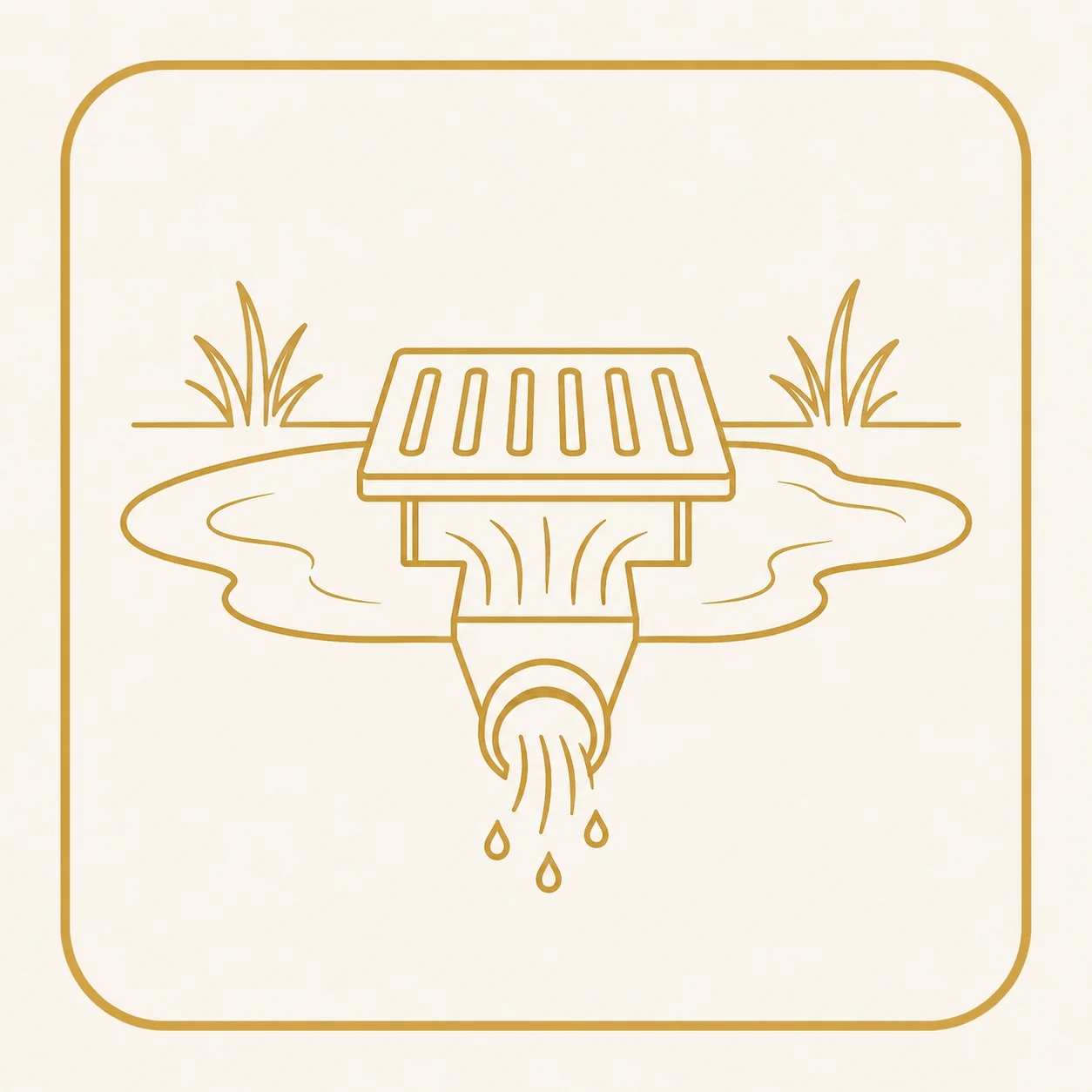
Grade Correction and Re-Sloping
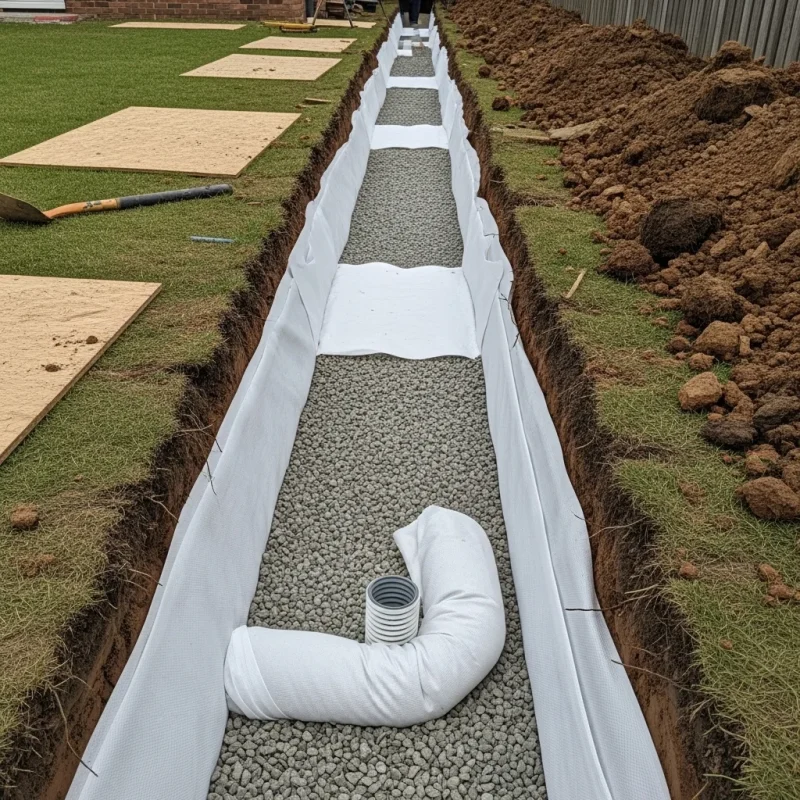
Subsurface Drainage Installation
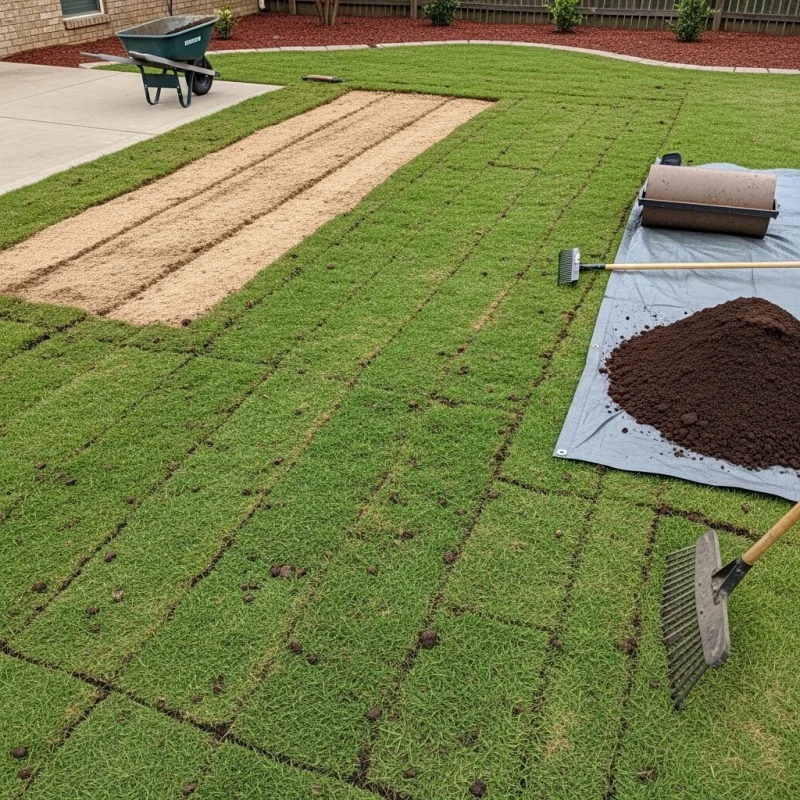
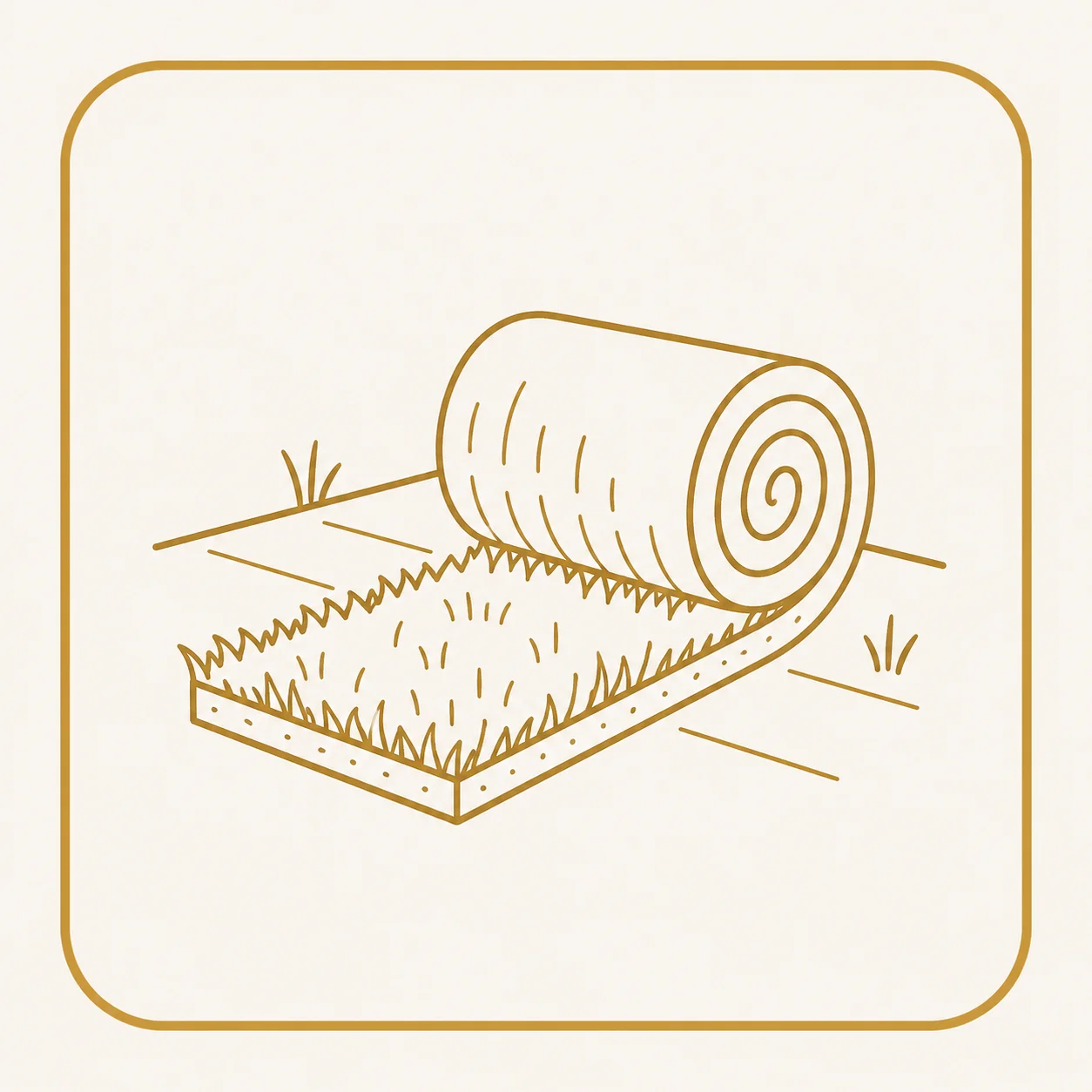
Soil Conditioning and Relief
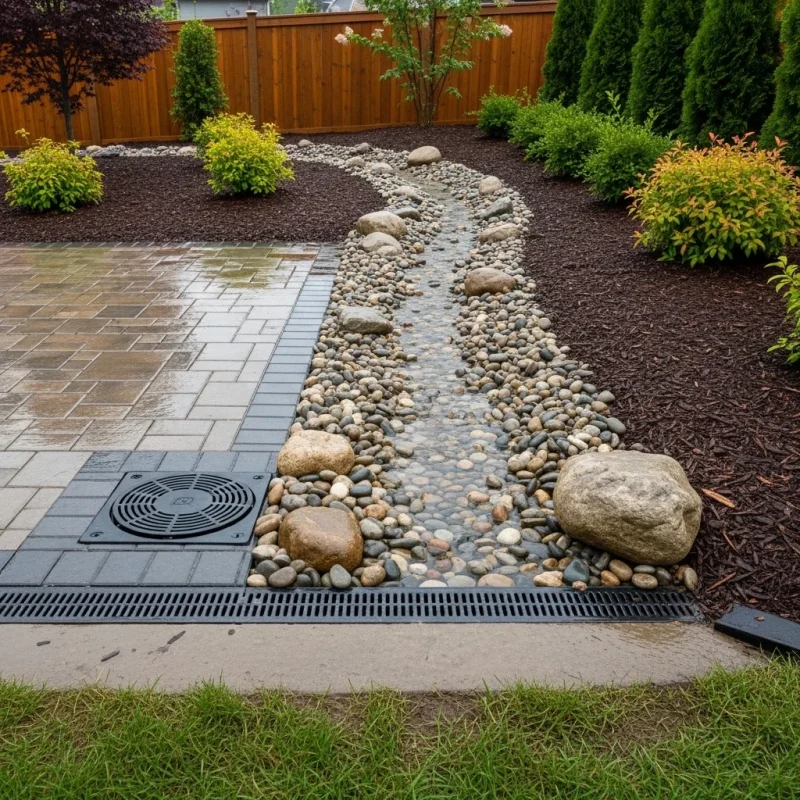
Runoff Pathway Management
Drainage Corrections That Actually Work
Surface pooling usually happens because one or more underlying conditions are forcing water to stop instead of flow. Black Hill Landscaping evaluates drainage behavior by studying site grade, soil composition, runoff patterns, and existing infrastructure to determine why standing water keeps returning. That process helps us identify whether the property needs yard drainage solutions, grade correction, french drain installation, landscape drainage installation, or a more complete drainage system update.
Our work focuses on solving the cause, not simply drying the surface for a few days. We correct low areas, improve water movement, and install drainage solutions that support long-term performance with minimal disruption to the property. The goal is simple: turn wet, unusable ground into stable landscape space that drains properly and holds its value.
Frequently Asked Questions
Why does water keep pooling in my yard days after the rain has stopped?
Water usually keeps pooling because the area cannot drain or absorb moisture correctly. Common causes include low grading, compacted clay soil, blocked runoff paths, poor yard drainage, or a missing subsurface drainage system. In many cases, the water you see is only the symptom of a bigger drainage issue below the surface.
Can standing water damage my home or foundation in Aledo, TX?
Yes. Repeated saturation near the home can soften surrounding soil, increase moisture pressure, and contribute to drainage-related foundation concerns over time. Standing water can also damage turf, stain surfaces, and create ongoing landscape instability if it is allowed to return after every storm.
Will a french drain solve my standing water problem permanently?
A french drain can be an effective solution, but only if it matches the actual problem on the property. Some yards need french drain installation, while others need re-sloping, channel drain work, trench drain solutions, or runoff redirection. We assess the full drainage pattern first so the fix matches the cause.
How long does the property analysis take, and will you need to dig up my yard?
The property analysis is designed to identify the source of the drainage issue before major work begins. In most cases, we can evaluate grade, runoff behavior, soil conditions, and drainage flow without major disruption. If excavation is needed later, we explain the scope clearly before any drainage installation work starts.
How much does standing water drainage repair cost in Aledo, TX?
Cost depends on the size of the affected area, the cause of the pooling, site access, and the type of drainage solution required. Minor grading adjustments usually cost less than full french drain installation or larger water drainage solutions. After assessment, we recommend the most practical correction based on the actual site conditions.
What causes standing water in Aledo, TX yards?
The most common causes include compacted clay soil, poor grading, low spots, blocked runoff routes, failing yard drainage systems, and heavy rainfall that overwhelms the landscape’s ability to move water. Sometimes several of these conditions are happening at once, which is why accurate diagnosis matters.