



























A lush green lawn can be challenging to maintain in the face of Texas’ hot summers, unpredictable rainfall, and periodic droughts. At Black Hill Landscaping, we believe that a beautiful, sustainable lawn doesn’t have to break the bank—or the environment.
By making a few smart choices in design, plant selection, and maintenance, it’s possible to create a drought-resistant landscape that thrives even in the driest Texas conditions.
In this blog, we’ll share top strategies to help you transform your lawn into a drought-tolerant masterpiece. From choosing the right grass types to smart watering practices, we’ve got you covered. Let’s dive in!
Why a Drought-Resilient Lawn Matters
Texans know that water scarcity is a reality, especially during the summer months. Water-wise landscaping not only saves precious resources but also makes financial sense. Creating a drought-resistant landscape is about sustainability, and it benefits property owners in several ways:
- Lower Water Bills: A drought-tolerant lawn requires less water, which can lead to significant savings on utility bills.
- Reduced Maintenance: Less frequent watering and mowing mean lower maintenance costs and less effort.
- Increased Property Value: A well-maintained, resilient landscape enhances curb appeal and boosts the value of your property.
Choose the Right Drought-Tolerant Grass
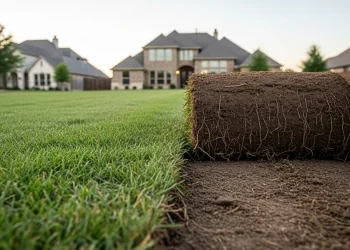
One of the most effective ways to create a drought-resistant lawn is to select grass types that can withstand Texas’s hot, dry climate. Not all grasses are created equal, and picking the right one can make a big difference. Here are some of the best options:
- Bermuda Grass: Known for its high heat and drought tolerance, Bermuda is a popular choice in Texas for its resilience and durability. It thrives in full sunlight and has deep roots that make it efficient at accessing water.
- Buffalo Grass: A native Texas grass, Buffalo is an ideal option for those who want a low-maintenance lawn. It requires minimal watering and handles heat exceptionally well, thriving even in poor soil conditions.
- St. Augustine Grass: While slightly more water-intensive than Bermuda, St. Augustine can be drought-tolerant if properly managed and is highly resistant to diseases.
Embrace Native Plants for a Texas-Ready Landscape
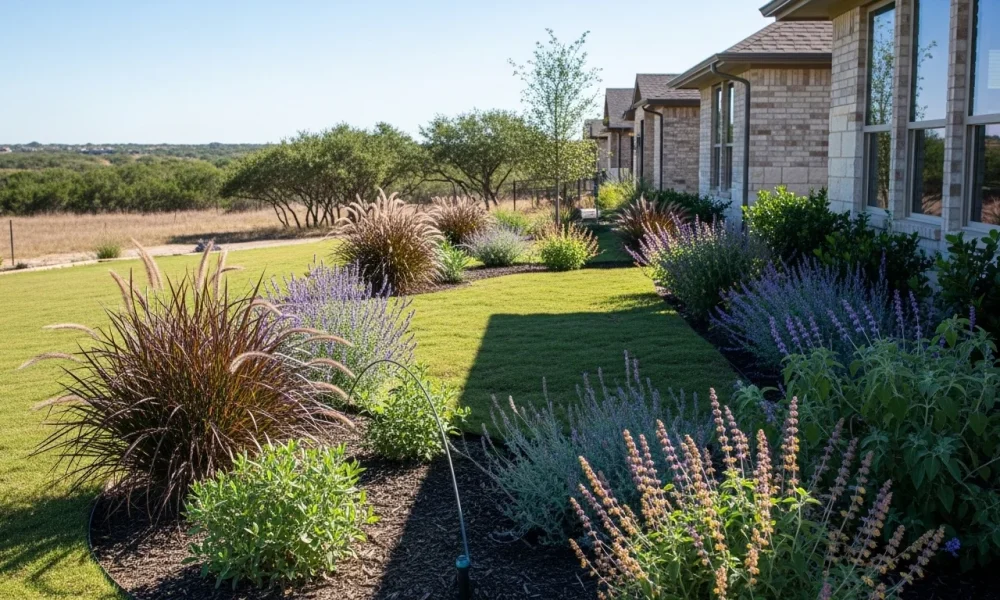
While a grass lawn is traditional, incorporating native plants can reduce water use and add beauty and biodiversity to your landscape. Native plants are adapted to Texas’s climate and soil, making them more resilient and easier to maintain. Consider adding these to your landscape:
- Mexican Feather Grass: This ornamental grass is drought-resistant and brings texture to the landscape with its wispy, golden blades.
- Texas Sage: Known for its purple blooms, Texas Sage is not only drought-resistant but also attracts pollinators like bees and butterflies.
- Yucca: Hardy and visually striking, yuccas are perfect for low-water landscapes, adding a southwestern feel to any garden.
- Blackfoot Daisy: This resilient ground cover blooms through the heat, producing small, daisy-like flowers that attract beneficial insects.
Improve Soil Quality for Better Water Retention
Healthy soil is the foundation of any drought-tolerant lawn. The quality of your soil impacts how well it retains moisture, supports root growth, and encourages plant health. Here’s how you can improve your soil:
- Add Organic Matter: Compost, mulch, and organic fertilizers improve soil structure, helping it retain moisture and provide nutrients to your plants.
- Aerate Regularly: Aeration reduces soil compaction, allowing water to penetrate deeper. This encourages roots to grow downward, making your lawn more drought-resistant.
Practice Efficient Watering Techniques
Watering smarter, not harder, is a key principle in maintaining a drought-tolerant landscape. Here’s how you can ensure your lawn gets just the right amount of moisture:
- Water Early: Watering early in the morning reduces evaporation and allows water to soak deep into the soil before the day heats up.
- Water Deeply and Infrequently: Frequent, shallow watering encourages weak roots. Watering deeply but less often promotes stronger root systems that can access water more effectively during dry periods.
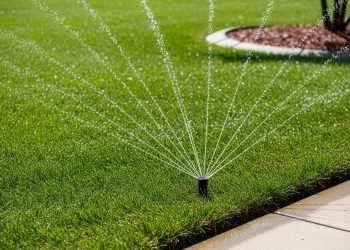
- Use Drip Irrigation and Soaker Hoses: These methods deliver water directly to the roots, reducing water waste and minimizing evaporation.
- Invest in a Smart Irrigation System: Smart irrigation systems adjust watering schedules based on weather conditions, ensuring you use only what’s needed.
Apply Mulch Strategically
Mulch isn’t just for flower beds; it’s also an excellent tool for retaining moisture in soil and regulating temperature. Here’s why mulch is a must-have for Texas landscaping:
- Retains Moisture: Mulch slows evaporation, so plants and grass need less water.
- Suppresses Weeds: Mulching around plants reduces competition for water by preventing weeds from growing.
- Improves Soil: As organic mulch breaks down, it enriches the soil with nutrients, further supporting your lawn’s resilience.
Reduce Your Lawn Size
Reducing lawn size is a trend that’s growing in popularity, especially in drought-prone areas. By incorporating hardscaping elements such as gravel, stone pathways, and decorative boulders, you can create a beautiful, low-maintenance landscape that requires minimal water. Some popular hardscaping ideas include:
- Stone Pathways: These create functional and attractive areas in your yard while reducing water needs.
- Gravel or Rock Gardens: Gravel is both stylish and sustainable, requiring zero water.
- Dry Riverbeds: These add visual interest and help with drainage, preventing water runoff and erosion.
Start Your Journey to a Drought-Resilient Landscape
Adopting drought-tolerant landscaping doesn’t mean sacrificing style or greenery. By choosing the right plants, improving soil quality, watering efficiently, and incorporating hardscaping elements, you can create a resilient, beautiful landscape that withstands Texas’s toughest weather. At Black Hill Landscaping, we’re passionate about helping Texans create sustainable landscapes that thrive, rain or shine. Ready to transform your outdoor space? Contact Black Hill Landscaping today to schedule a consultation, or explore our wide range of landscaping services designed to keep Texas lawns green and gorgeous.
Get a Free Quote: (817) 995-0324