























Home » Areas We Serve » Arlington » Standing Water
French Drain Installation & Standing Water Solutions in Arlington, TX
Stop the pooling. Protect your property. Install drainage solutions that last.
Standing water is rarely the real problem by itself, which is why French drain installation must match the underlying cause. It usually points to poor runoff control, low spots, compacted soil, or a drainage system that is not moving water away fast enough. If left alone, pooling water can weaken turf, stress plant material, stain hardscapes, and place unnecessary pressure on nearby foundation areas.
Black Hill Landscaping provides standing water and drainage solutions for Arlington, TX properties through site-based diagnosis, grade evaluation, and targeted water drainage solutions. We identify why the area stays saturated, then recommend the right fix, whether that means yard drainage corrections, french drain installation, surface drainage system work, landscape drainage improvements, or a more complete yard drainage system update.


How We Solve Standing Water Problems
Landscape and Structural Preservation
Flow Performance Optimization
Standing Water Solutions for Arlington, TX Properties
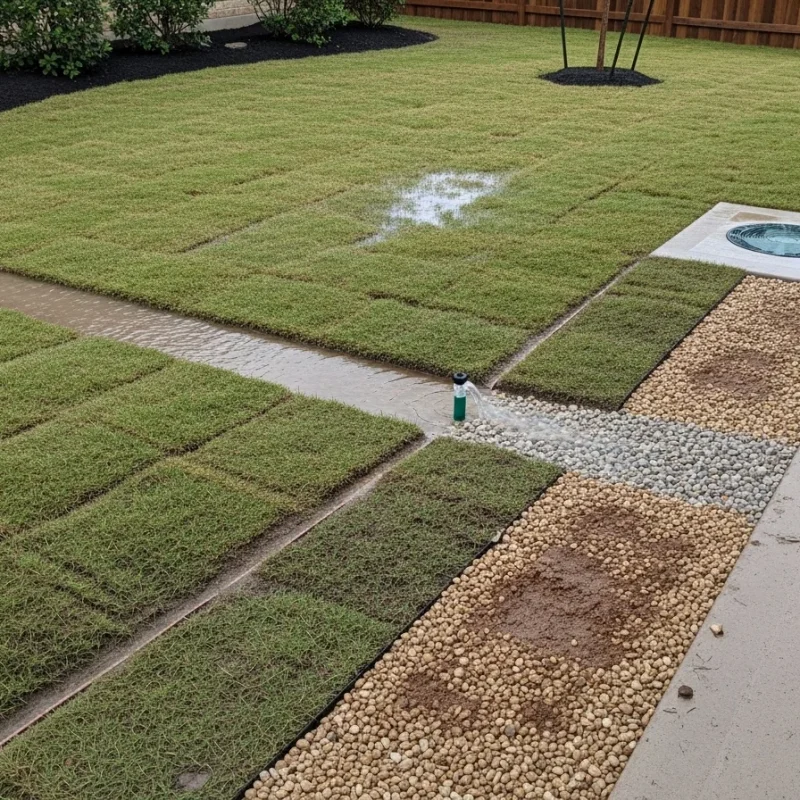
Surface pooling rarely comes from just one issue. Black Hill Landscaping evaluates standing water as a full drainage problem by reviewing grading, soil conditions, runoff direction, and the existing yard drainage system. That allows us to determine why water is collecting and why it is not leaving the property the way it should.
Each site assessment identifies low points, blocked flow paths, oversaturated zones, and drainage weak spots that keep the area wet after rain. Our drainage solutions are designed to correct water movement permanently, not hide symptoms for a few weeks. We complete the work with efficiency and with a focus on long-term performance under North Texas rainfall and clay-heavy soil conditions.
Where Standing Water Shows Up
We utilize precision solutions designed to eliminate pooling, restore proper drainage, and protect your property from recurring saturation issues.
Grade Correction and Re-Sloping
French Drain Installation
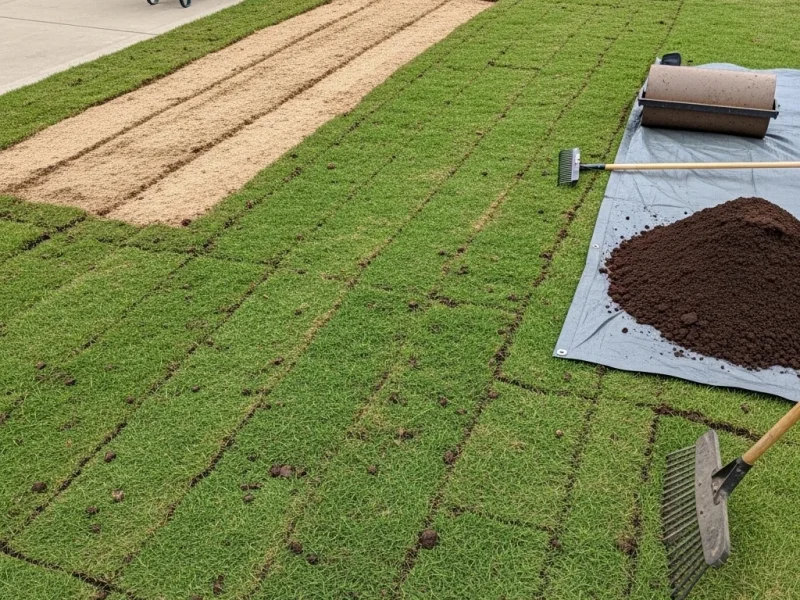
Soil Conditioning and Relief
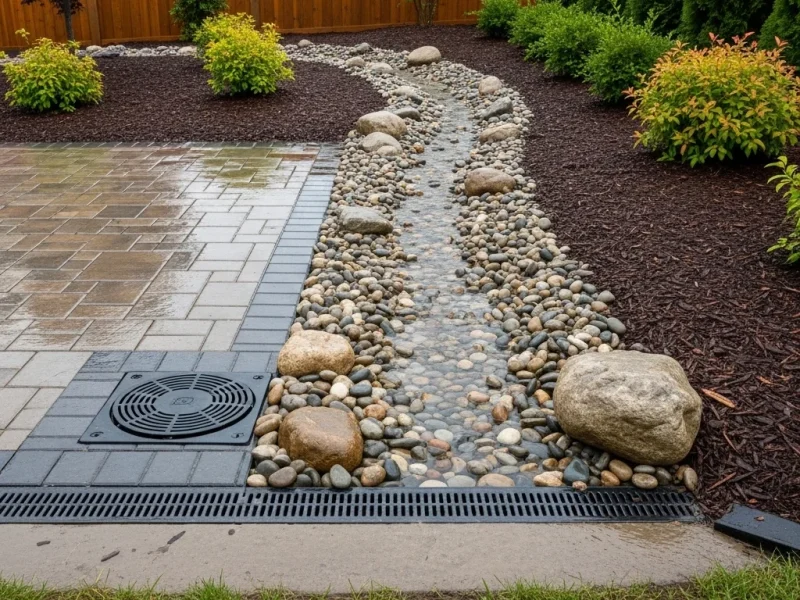
Runoff Pathway Management
French Drain Installation in Arlington
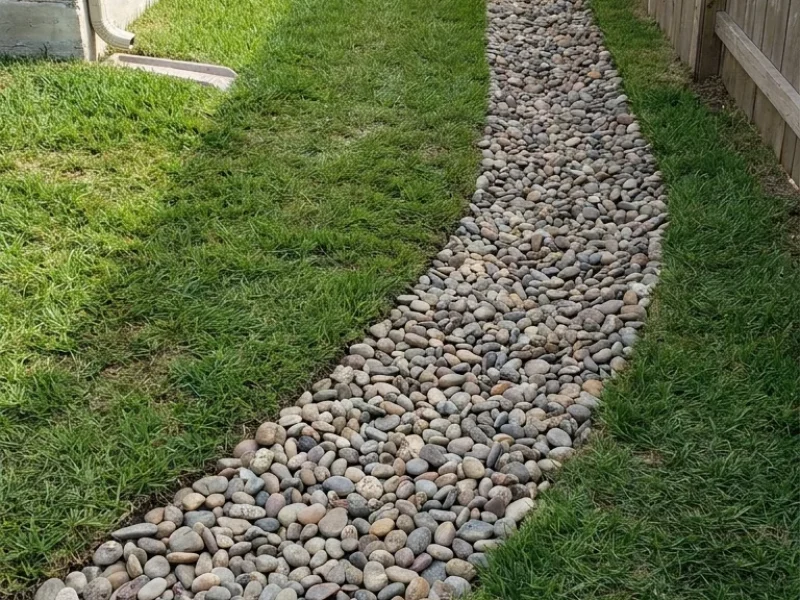
French drains are one of the most common solutions we install across Arlington. A french drain is a gravel-filled trench with a perforated pipe that collects subsurface water and redirects it away from problem areas. They work especially well in Arlington's clay soil because clay holds water near the surface instead of letting it percolate down.
Where we install french drains in Arlington:
- Along foundation walls where water pools after rain and saturates the clay against the slab. A french drain installed 2 to 3 feet from the foundation intercepts that water before it reaches the concrete.
- Across low spots in yards where standing water collects and kills turf. The drain captures water at the low point and moves it to a discharge location at the property edge or into the storm system.
- Behind retaining walls to relieve hydrostatic pressure that builds up when clay soil absorbs water. Without a french drain, that pressure can push the wall forward over time.
- In side yards between homes where grading sends water from both properties into a narrow corridor. These areas flood first and dry last.
How we size and install french drains:
Every french drain starts with a site assessment. We evaluate the grade, measure where water enters and exits the problem area, and determine the pipe diameter, trench depth, and gravel spec based on the volume of water the drain needs to handle. Arlington clay requires clean washed gravel, not recycled base, because fines from crushed material clog the pipe over time.
We install with proper slope (minimum 1% grade toward the outlet), wrap the pipe in filter fabric to keep clay sediment out, and backfill with gravel to within a few inches of the surface. The finished drain is invisible under sod or mulch.
French drain vs. surface drain:
A french drain handles water that sits below grade in the soil. A surface drain (channel drain or catch basin) handles water that flows across the surface. Many Arlington properties need both. During our assessment, we determine which type of drain the problem requires and whether a combined system makes sense.
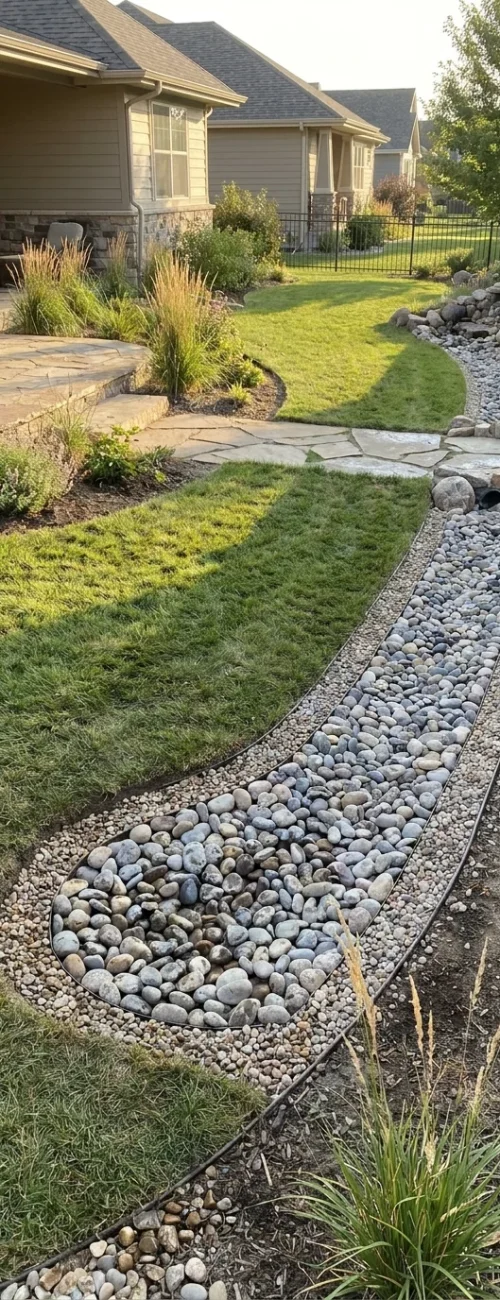
Drainage Corrections That Actually Work
Surface pooling usually happens because one or more conditions are forcing water to stop instead of flow. Black Hill Landscaping evaluates drainage behavior by studying site grade, soil composition, runoff patterns, and existing infrastructure to determine why standing water keeps returning. That process helps us identify whether the property needs french drain installation, grade correction, a surface drainage system, or a combination.
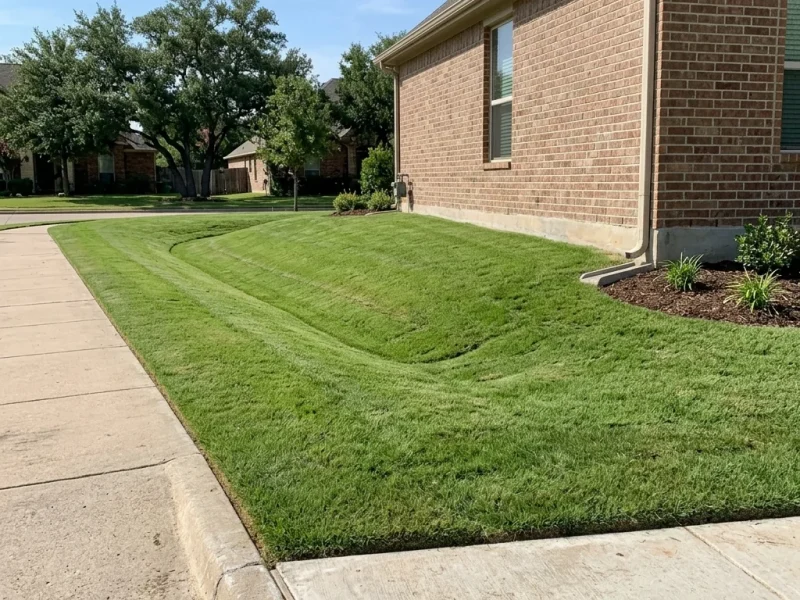
Our solutions are designed to correct water movement permanently rather than temporarily drying the surface. We install french drains, reslope grades, connect downspout lines to underground discharge points, and build channel drain systems based on what the site assessment shows. All work is executed with minimal disruption to the property while ensuring long-term performance under Arlington's heavy spring rainfall and expansive clay soil conditions.
Frequently Asked Questions
Why does water keep pooling in my yard days after the rain has stopped?
Water usually keeps pooling because the area cannot drain or absorb moisture correctly. Common causes include low grading, compacted clay soil, blocked runoff paths, poor yard drainage, or a missing subsurface drainage system. In many cases, the water you see is only the symptom of a bigger drainage issue below the surface.
Can standing water damage my home or foundation in Arlington, TX?
Yes. Repeated saturation near the home can soften surrounding soil, increase moisture pressure, and contribute to drainage-related foundation concerns over time. Standing water can also damage turf, stain surfaces, and create ongoing landscape instability if it is allowed to return after every storm.
Will a french drain solve my standing water problem permanently?
A french drain can be an effective solution, but only if it matches the actual problem on the property. Some yards need french drain installation, while others need re-sloping, channel drain work, trench drain solutions, or runoff redirection. We assess the full drainage pattern first so the fix matches the cause.
How long does the property analysis take, and will you need to dig up my yard?
The property analysis is designed to identify the source of the drainage issue before major work begins. In most cases, we can evaluate grade, runoff behavior, soil conditions, and drainage flow without major disruption. If excavation is needed later, we explain the scope clearly before any drainage installation work starts.
How much does standing water drainage repair cost in Arlington, TX?
Cost depends on the size of the affected area, the cause of the pooling, site access, and the type of drainage solution required. Minor grading adjustments usually cost less than full french drain installation or larger water drainage solutions. After assessment, we recommend the most practical correction based on the actual site conditions.
What causes standing water in Arlington, TX yards?
The most common causes include compacted clay soil, poor grading, low spots, blocked runoff routes, failing yard drainage systems, and heavy rainfall that overwhelms the landscape’s ability to move water. Sometimes several of these conditions are happening at once, which is why accurate diagnosis matters.
How much does a french drain cost in Arlington?
French drain cost depends on the length of the trench, depth required, pipe diameter, and site access. A typical residential french drain in Arlington runs 30 to 80 linear feet. We provide a written estimate after the site assessment so you know the full scope before any work begins.
How long does a french drain last?
A properly installed french drain with the right gravel and filter fabric lasts 15 to 30 years in Arlington soil conditions. The main risk is clay sediment clogging the pipe, which is why we use filter fabric wrap and clean washed gravel instead of recycled base material.
Do I need a french drain or a surface drain?
French drains handle water that saturates the soil below grade. Surface drains handle water flowing across the top of the ground. If your yard stays soggy days after rain, a french drain is usually the fix. If water rushes across a patio or driveway during storms, a surface drain is the right choice. Many Arlington properties benefit from both.