
Home » Areas We Serve » Fort Worth » Hardscaping
Hardscaping in Fort Worth
Patios, walkways, retaining walls, and outdoor kitchens built on a proper base. Not just set on top of Fort Worth clay.
Black Hill Landscaping designs and installs hardscaping for Fort Worth homeowners. Patios, walkways, retaining walls, outdoor kitchens, fire pits, and stone borders built on properly prepared bases that account for Fort Worth's expansive clay soil. Clay shifts. It swells when wet and cracks when dry. Every hardscape we build starts with a base engineered to handle that movement so your patio stays level and your retaining wall stays straight.
- Paver patios, flagstone, natural stone, and stamped concrete options
- Retaining walls for grade changes, erosion control, and landscape definition
- Outdoor kitchens and fire pits designed for Fort Worth outdoor living
- Proper base preparation and drainage for Fort Worth’s clay soil
Built on a Proper Base
Materials That Last
Complete Outdoor Spaces
Hardscaping Services in Fort Worth
Patios and Outdoor Living Areas
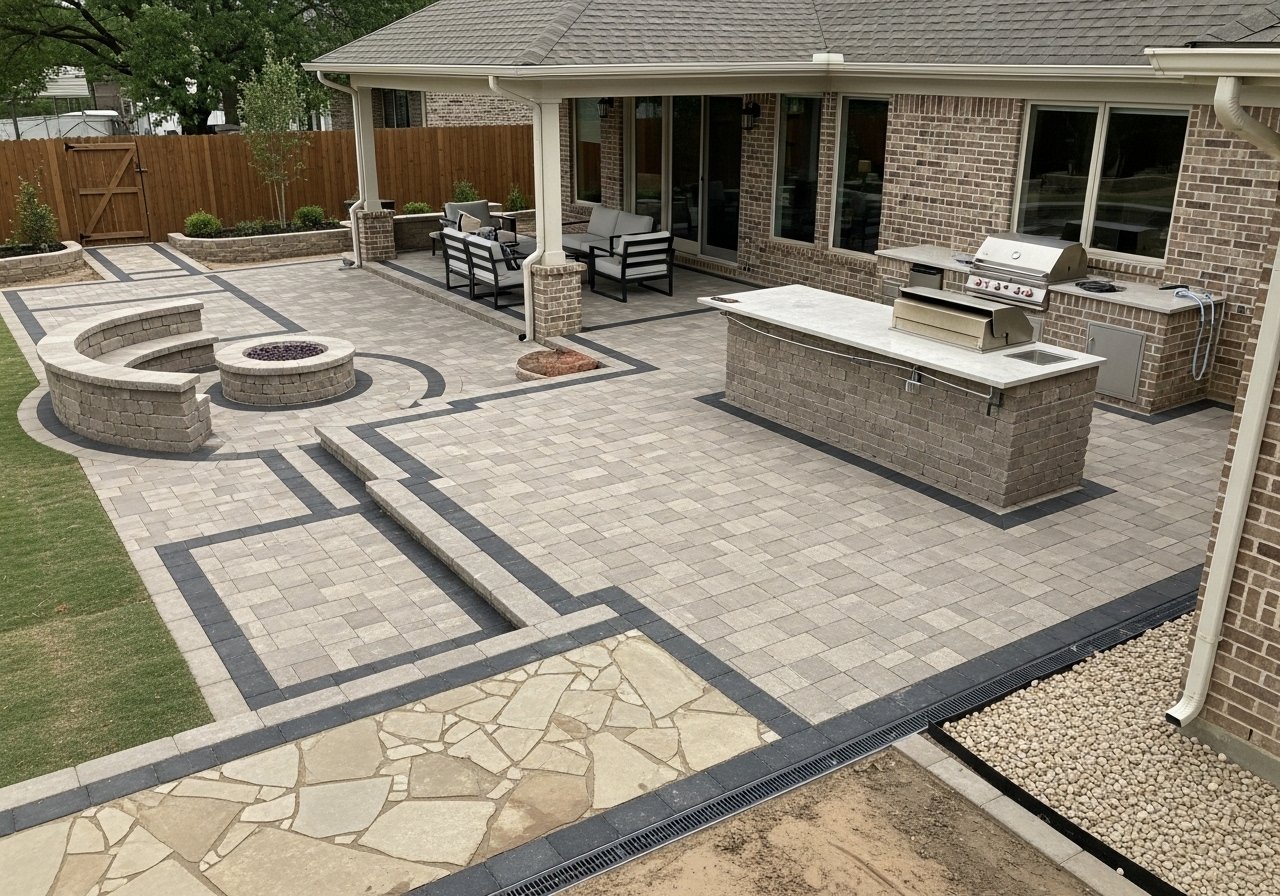
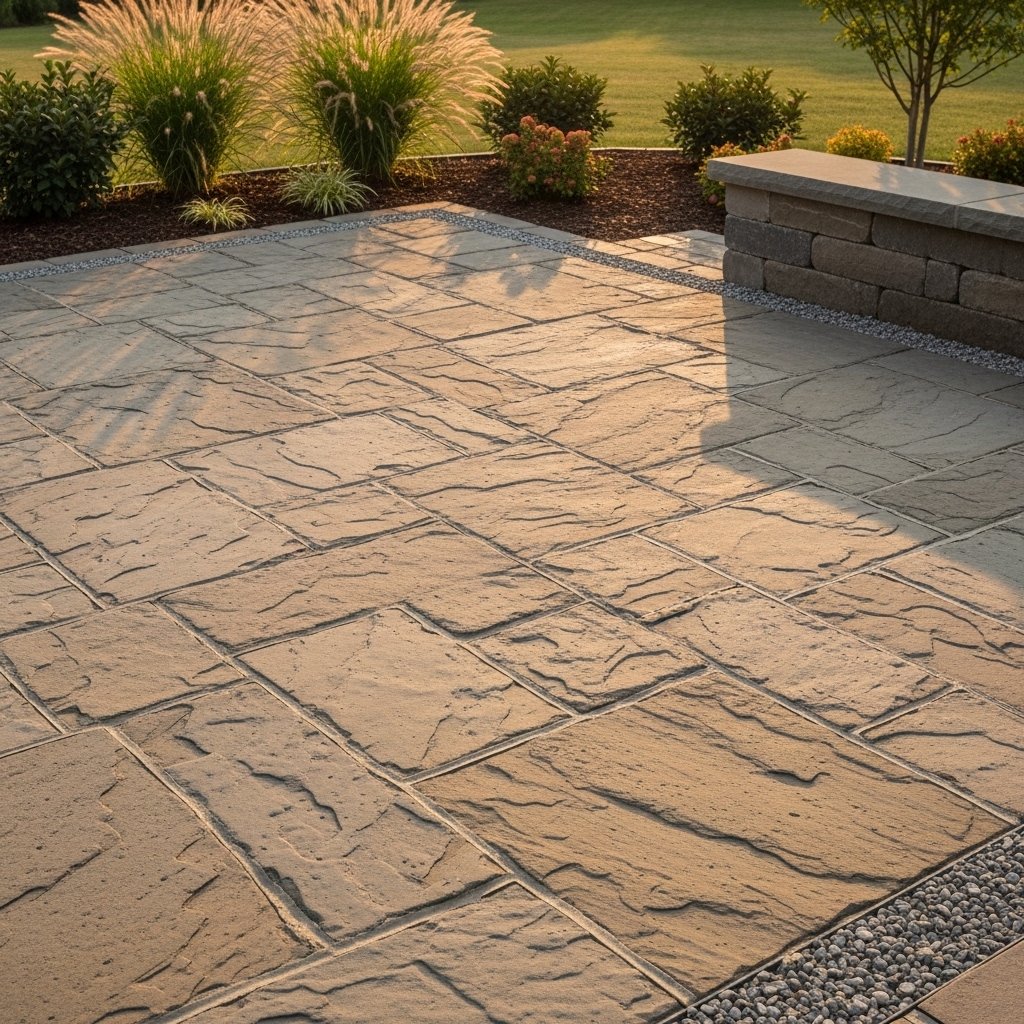
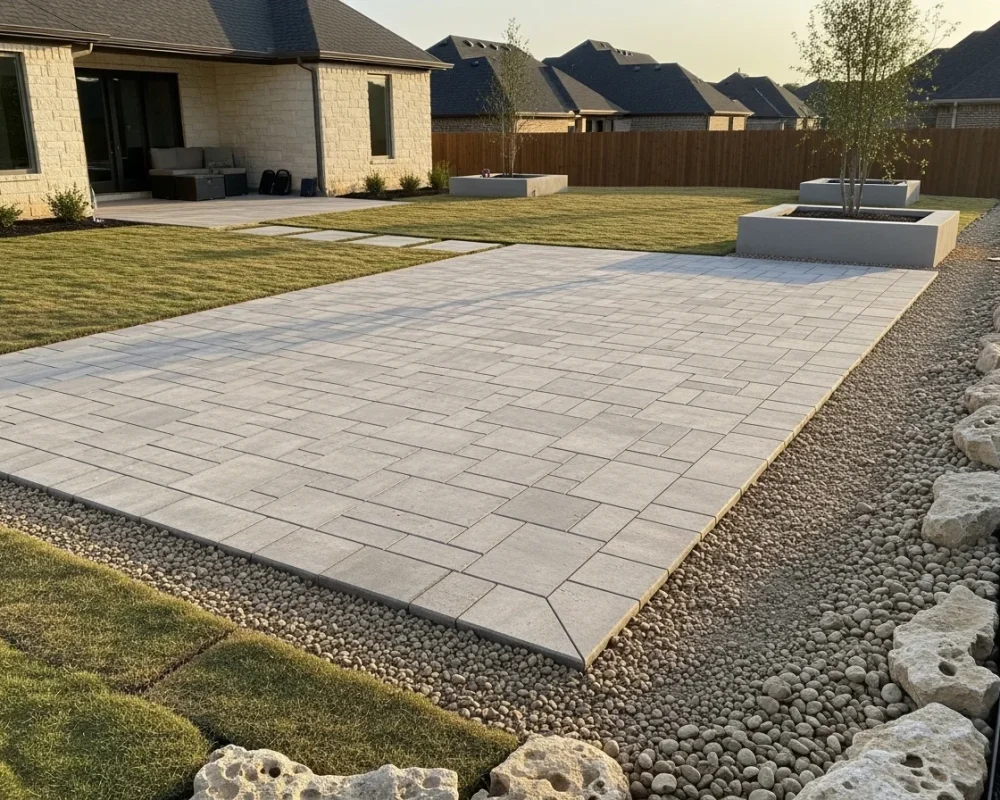
Paver patios, flagstone patios, stamped concrete, and natural stone installations designed for how you actually use your backyard. Sized, graded, and finished for dining, entertaining, or relaxing. Base preparation includes compacted aggregate and proper drainage to prevent settling on Fort Worth’s clay soil.
Retaining Walls
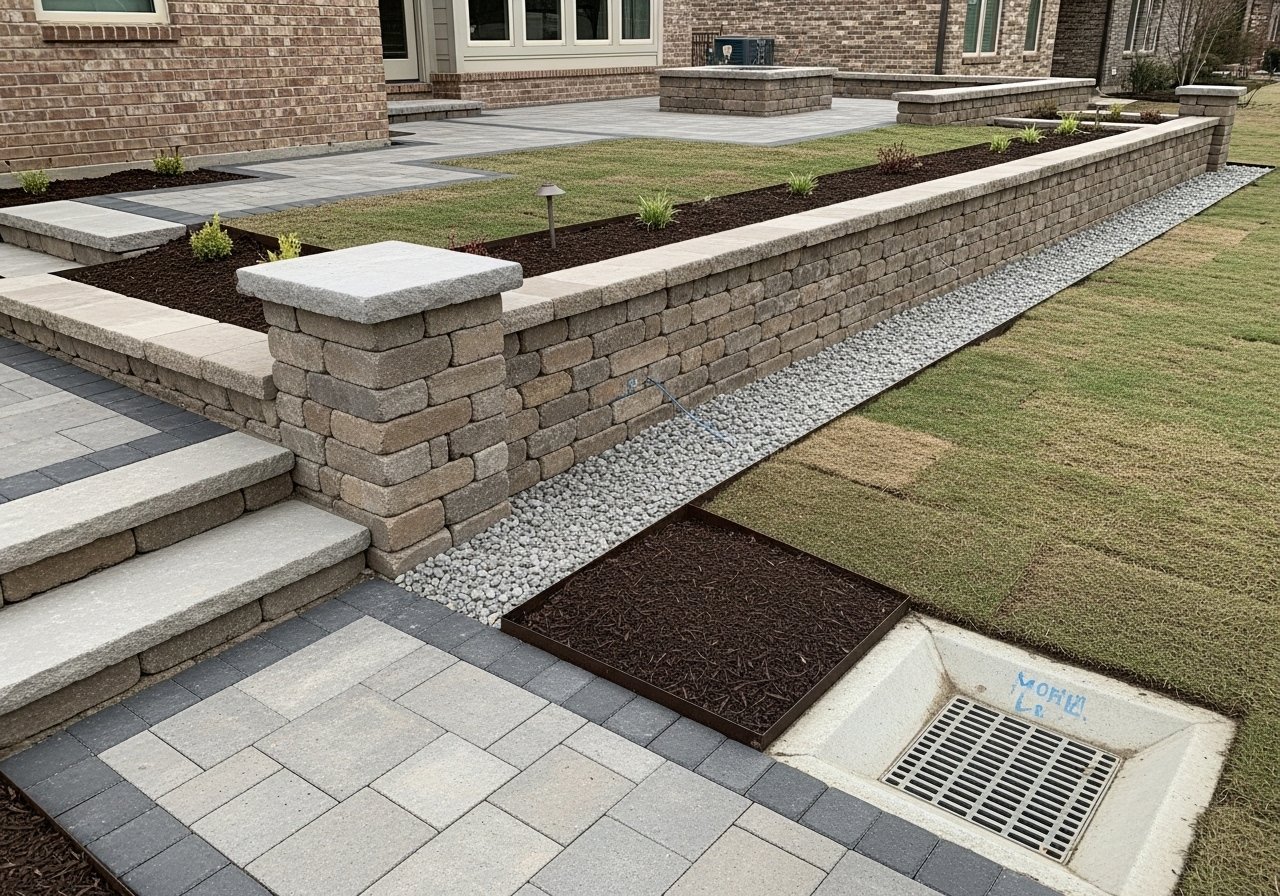
Segmental block, natural stone, and engineered retaining walls for properties with grade changes, erosion issues, or landscape bed definition. Walls are built on compacted bases with drainage behind the wall to prevent hydrostatic pressure from Fort Worth’s wet clay pushing the wall out.
Outdoor Kitchens
Built-in grills, countertops, storage, and prep areas designed for Fort Worth’s outdoor season. Utility connections (gas, electric, water) coordinated with licensed trades. Countertop materials selected for UV resistance and Fort Worth’s temperature swings.
Walkways and Pathways
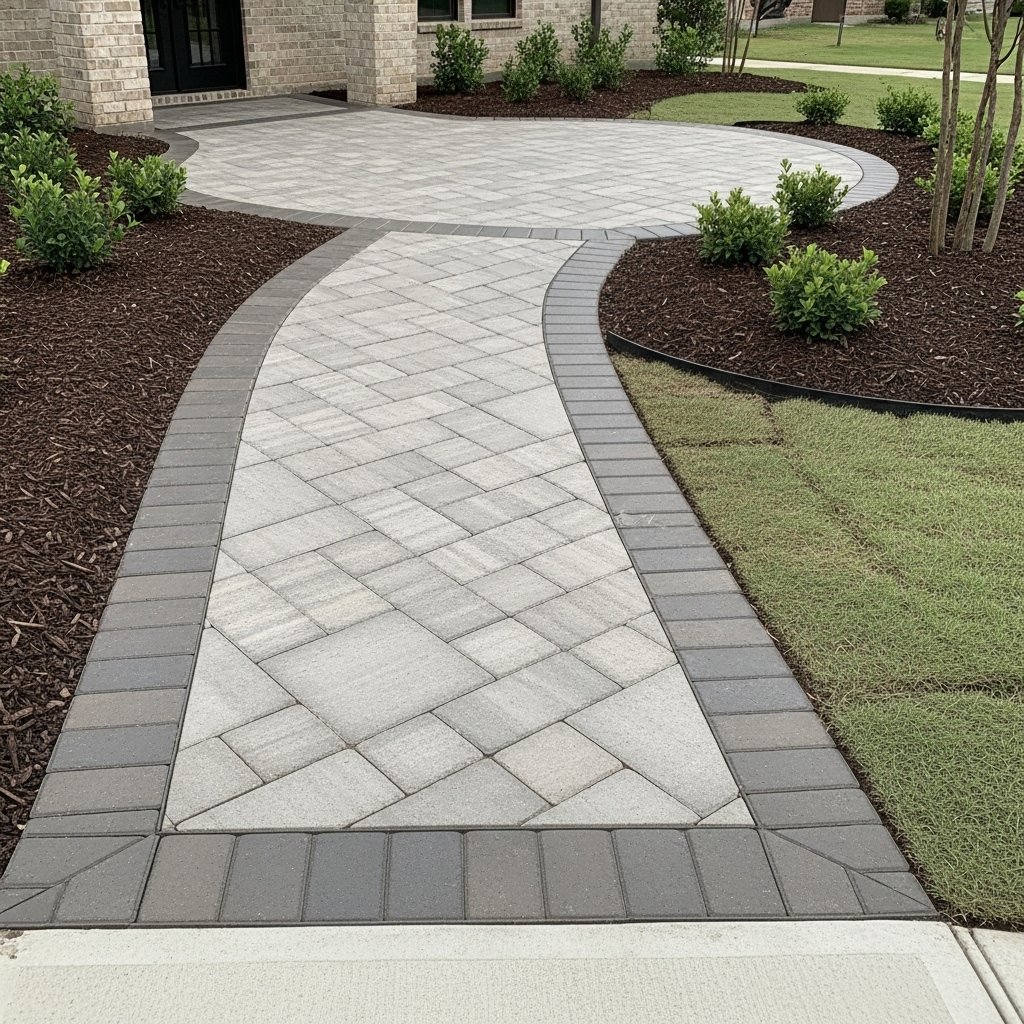
Paver, flagstone, and stone walkways connecting your home to outdoor spaces, garden areas, or side yards. Graded for drainage and set on a stable base to prevent shifting and trip hazards.
Fire Pits and Seating Walls
Gas and wood-burning fire pits with optional seating walls. Designed as part of your patio layout, not as an afterthought. Proper clearances maintained from structures and landscaping.
Curbing, Edging, and Borders
Stone, concrete, and paver edging to define bed lines, separate turf from hardscape, and create clean transitions between landscape zones.
Best Hardscape Materials for Fort Worth
Fort Worth's climate puts hardscape materials through extreme conditions. Summer heat above 100 degrees, UV exposure, freeze-thaw cycles in winter, and expansive clay soil that shifts with moisture. Material selection matters here more than in most markets.
Concrete Pavers
Natural Stone and Flagstone
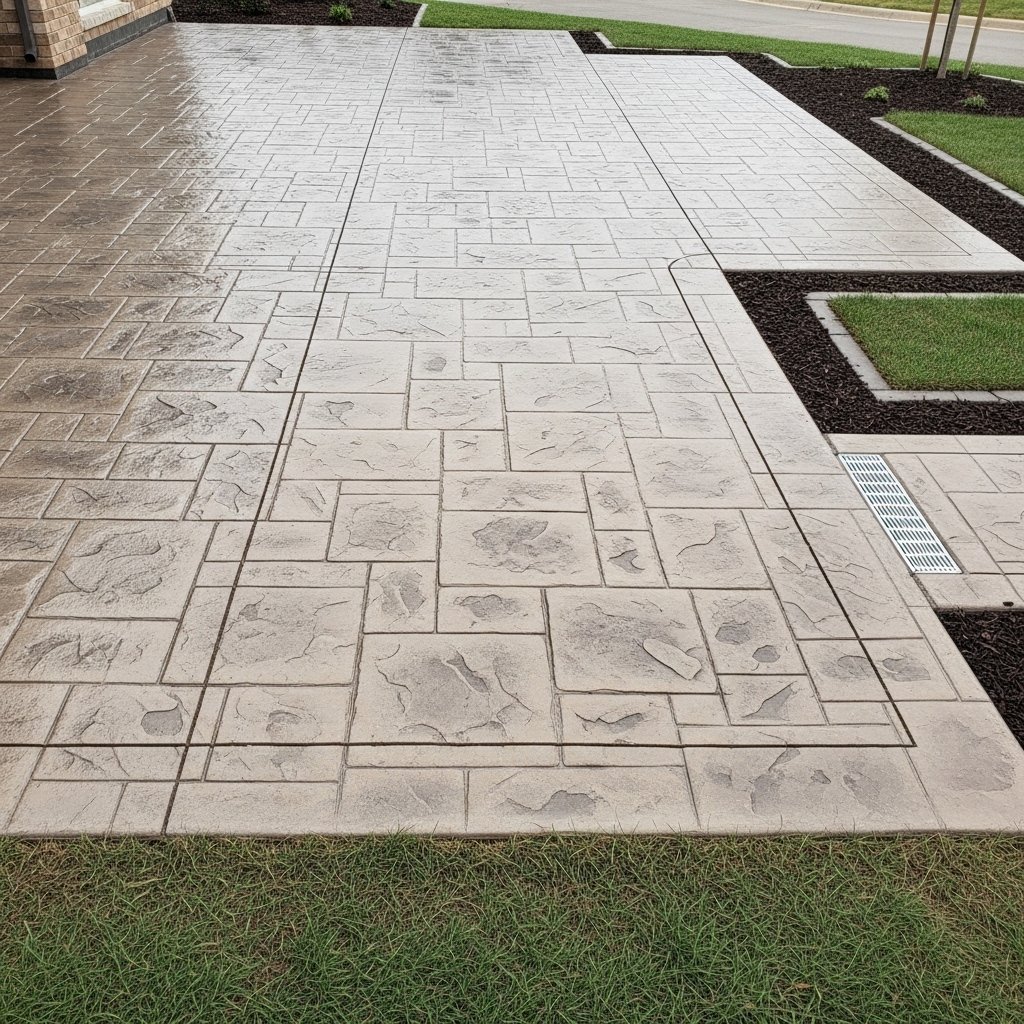
Stamped Concrete
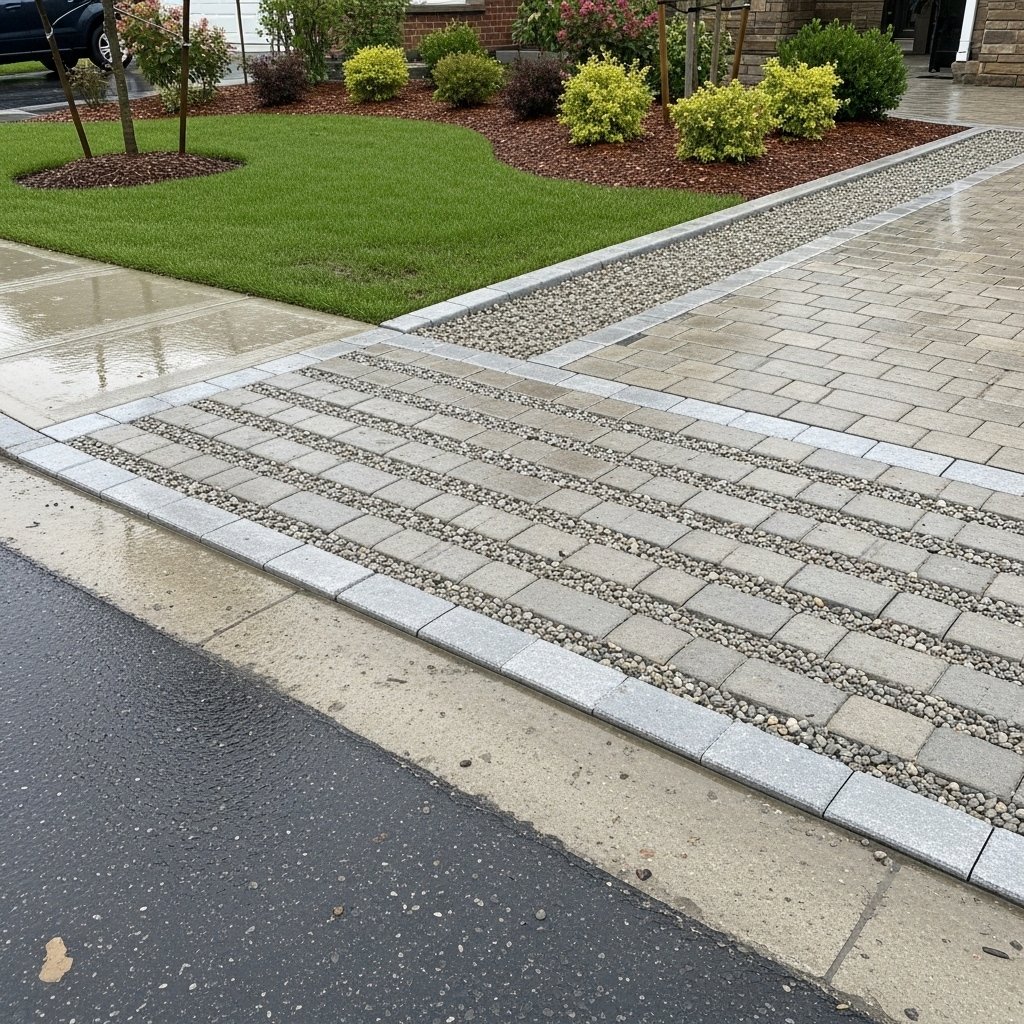
Permeable Pavers
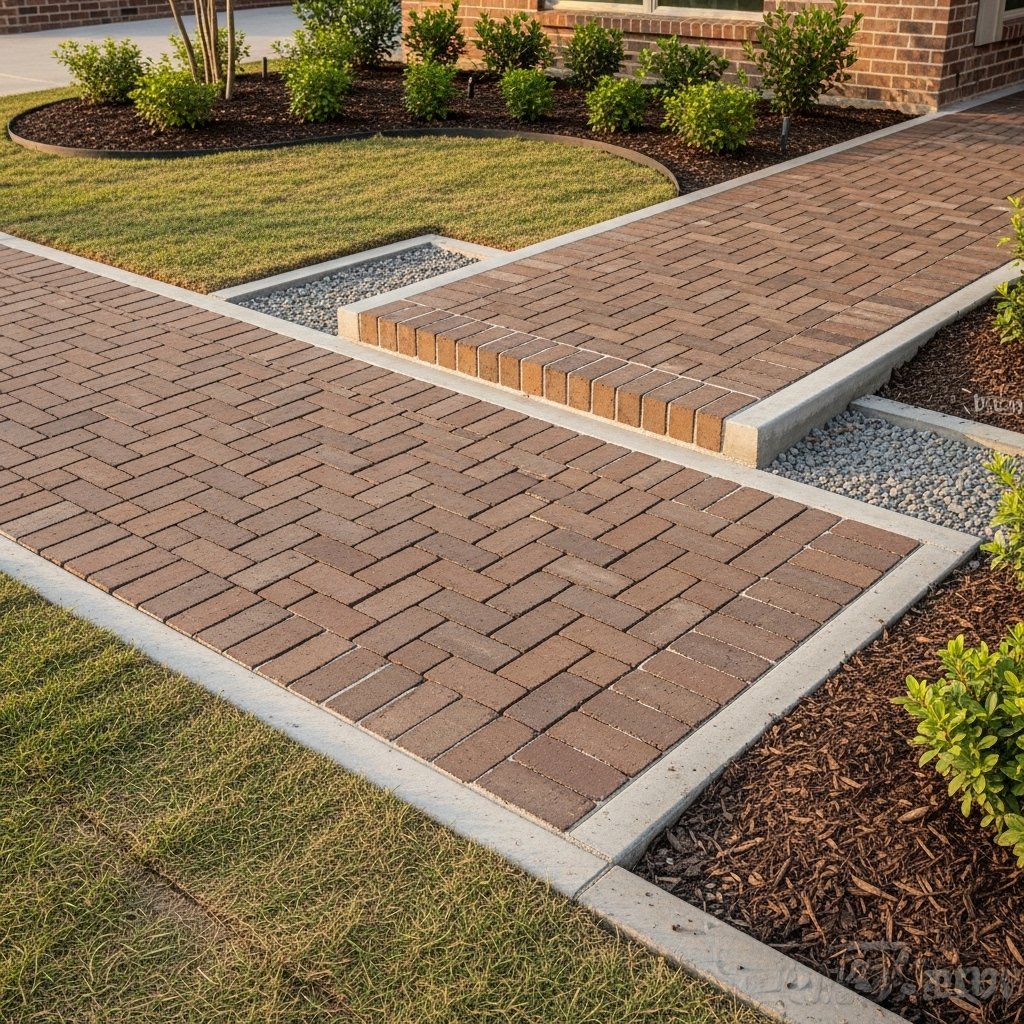
Brick
Why Hardscape Base Preparation Matters on Fort Worth Clay
Fort Worth sits on expansive clay that can swell up to 12 percent when saturated and shrink when dry. This movement cracks poured concrete, shifts pavers, and pushes retaining walls out of alignment. Most hardscape failures in Fort Worth aren't material failures. They're base failures.
Black Hill's base preparation process:
Excavation. Soil removed to the required depth for the base material plus the finished surface. Clay soil is not used as a base.
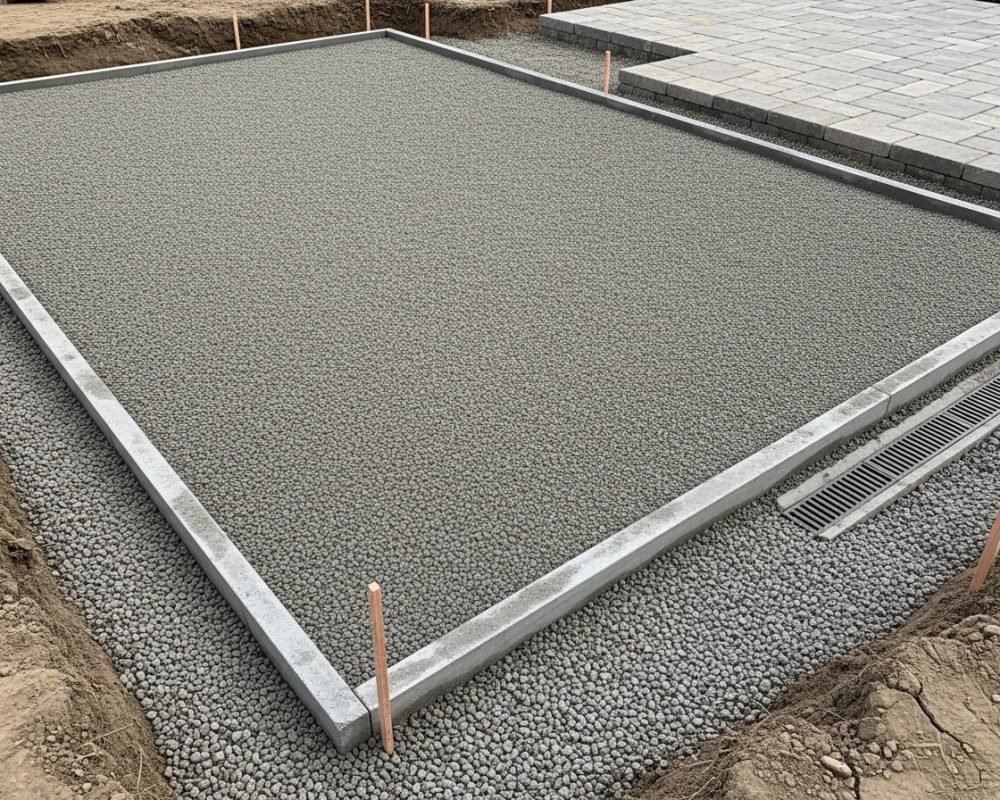
Compacted Aggregate Base. Crushed limestone or gravel compacted in layers to create a stable, load-bearing surface that doesn’t shift with moisture changes.
Drainage. Graded to direct water away from structures and off the hardscape surface. For retaining walls, drainage pipe and gravel backfill prevent clay from pushing against the wall.
Edge Restraints. Paver installations include edge restraints to prevent lateral spreading over time.
Leveling and Final Grade. Surface checked for level and pitch before any finished material is set.
A patio set directly on Fort Worth clay will move. It's not a question of if. Proper base preparation is what separates hardscaping that lasts from hardscaping you're repairing in two years.
Frequently Asked Questions
How much does hardscaping cost in Fort Worth?
It depends on the scope. A simple paver patio is on the lower end. A full outdoor living space with kitchen, fire pit, retaining wall, and walkways is a larger investment. After an on-site assessment, Black Hill provides a detailed scope with transparent pricing before work begins.
Are pavers better than poured concrete for Fort Worth patios?
For most Fort Worth properties, yes. Fort Worth’s expansive clay soil shifts with moisture, which causes poured concrete to crack over time. Pavers flex with soil movement instead of cracking, and individual pavers can be replaced if damaged. Poured concrete can work with a reinforced base and proper control joints, but pavers are generally more durable long-term on Fort Worth clay.
How long does a hardscape project take?
Timeline depends on scope. A patio installation typically takes a few days to a week. Projects with retaining walls, outdoor kitchens, and multiple features can take several weeks. We provide a detailed timeline before work begins.
Do I need a permit for hardscaping in Fort Worth?
It depends on the project. Retaining walls above a certain height, outdoor kitchens with gas or electrical connections, and projects that alter drainage may require permits. Black Hill handles permitting when applicable.
Why do concrete patios crack in Fort Worth?
Fort Worth’s clay soil expands when wet and contracts when dry. This movement creates pressure under concrete slabs, causing cracks over time. Proper base preparation with compacted aggregate reduces this risk, but pavers remain the more forgiving option on expansive clay.
Can you build an outdoor kitchen in my backyard?
Yes. Black Hill designs and installs outdoor kitchens with built-in grills, countertops, storage, and utility connections (gas, electric, water). Kitchen design is coordinated with your patio layout, seating areas, and landscape so everything works as one connected space.
How do retaining walls handle Fort Worth's clay soil?
Retaining walls on Fort Worth clay require drainage behind the wall to prevent water pressure from building up against the structure. Black Hill installs drainage pipe and gravel backfill behind every retaining wall. The base is excavated below grade and built on compacted aggregate, not on clay.