

























WiFi vs. Non-WiFi Irrigation Controllers: What Works Best for Your Lawn & Garden?
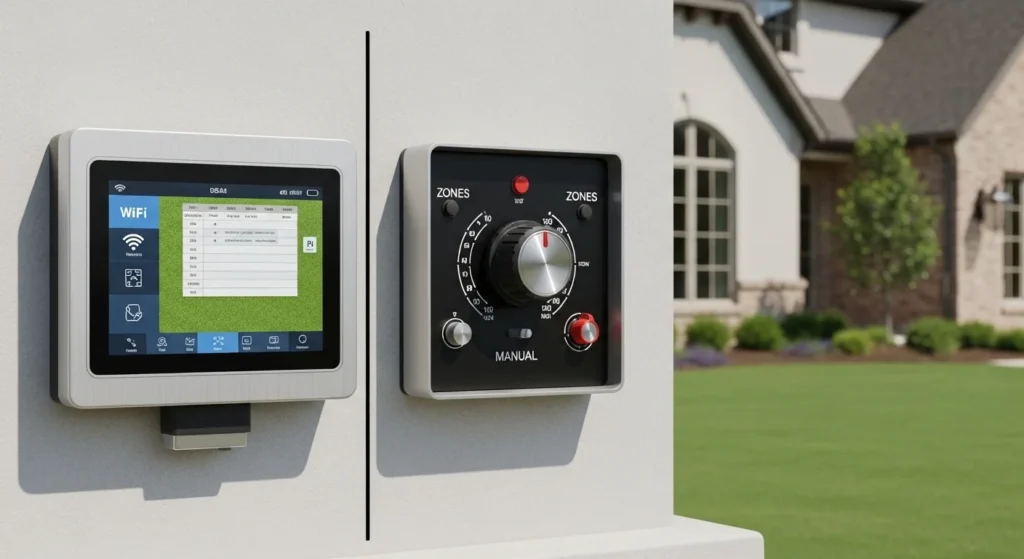
Explore WiFi vs. non-WiFi irrigation controllers, weighing pros and cons for optimal lawn care. Consider costs, benefits, and timing for upgrading to smart irrigation technology.
A Beginner’s Guide: Pruning Live Oak, Crepe Myrtle, Red Oak, and Cedar Elm
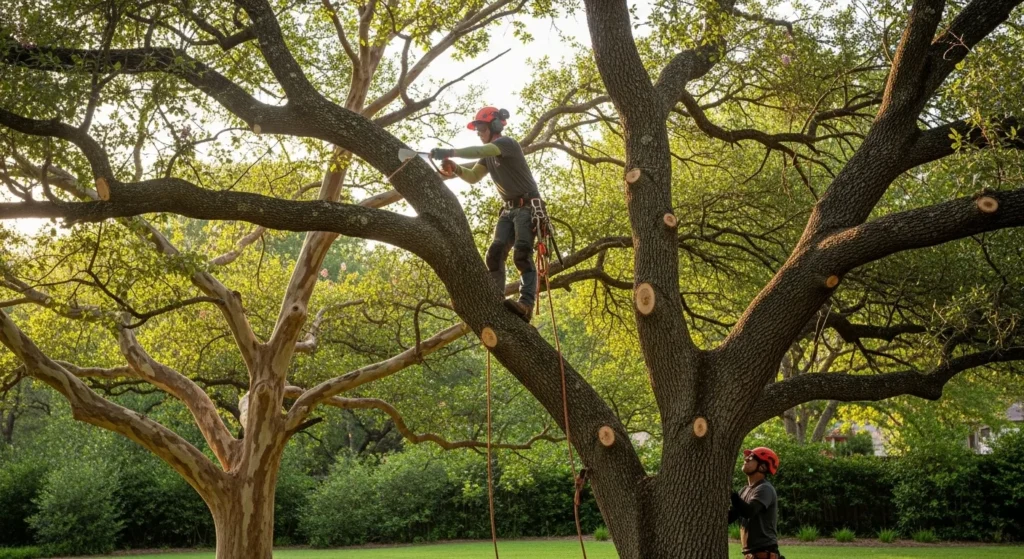
Guide on pruning Live Oak, Crepe Myrtle, Red Oak, and Cedar Elm trees in North Texas. Covers timing, techniques, and when to seek professional help for tree health and landscape beauty.
Guide on Common Sprinkler Problems and How to Identify Them
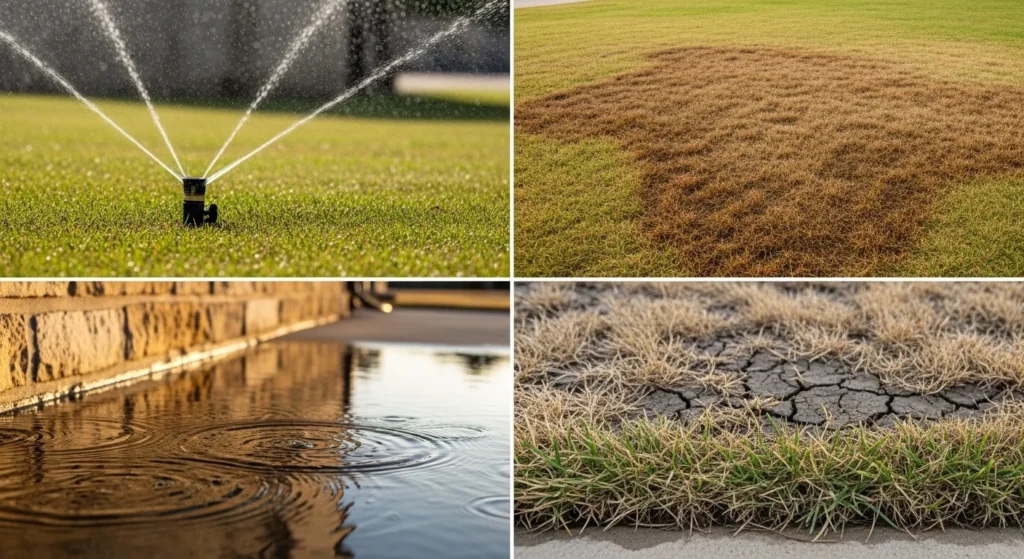
Maintain your sprinkler system with regular checks, pressure adjustments, and seasonal care. Upgrade to smart tech for efficiency and address leaks, clogs, and timer issues promptly.
Attracting Pollinators: Native Flower Gardens
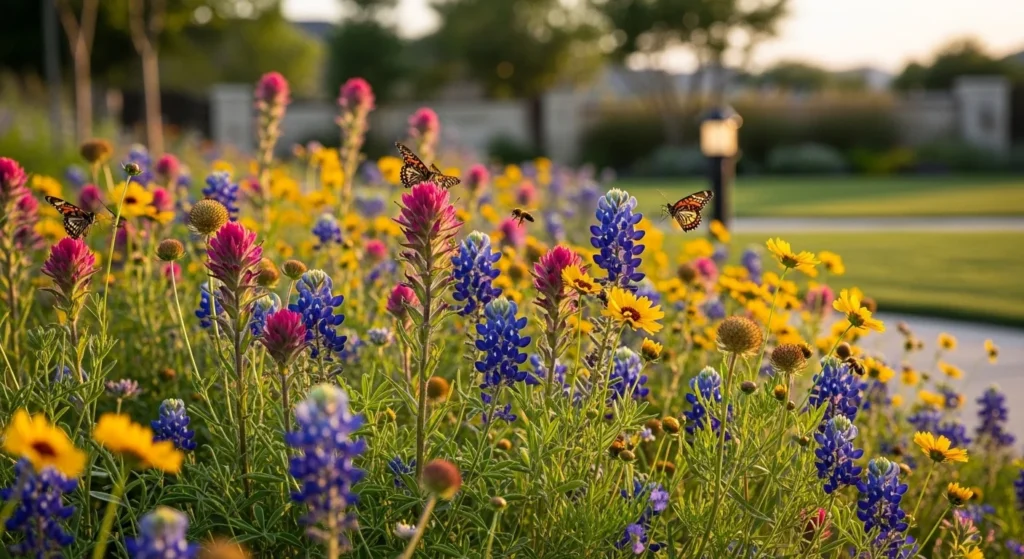
Create native flower gardens to attract bees and butterflies, enhancing biodiversity and supporting ecosystems. Includes plant selection, design tips, and community engagement ideas.
Identifying and Managing Brown Patch, Spider Mites, and Chinch Bugs in St. Augustine and Zoysia Lawns
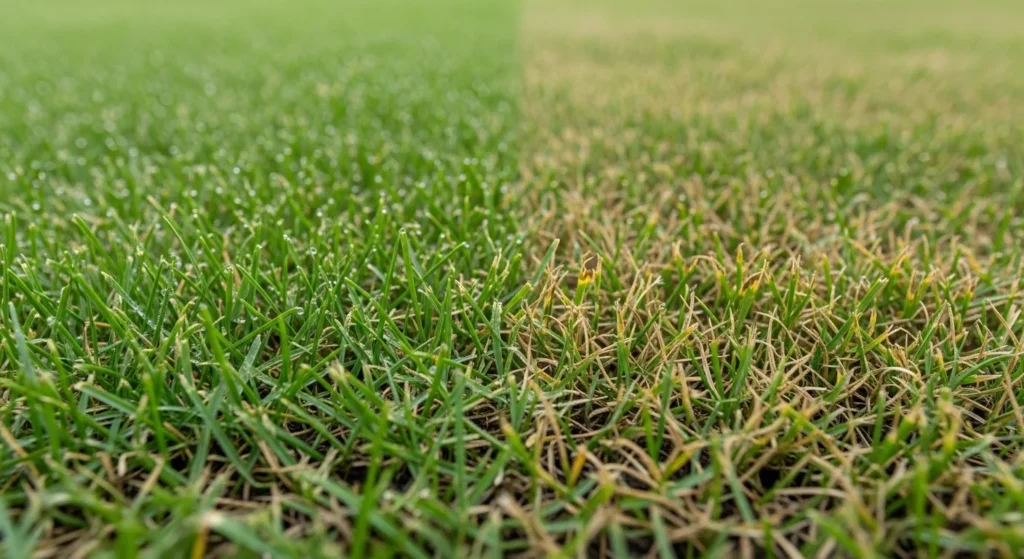
Tips for managing brown patch, spider mites, and chinch bugs in St. Augustine and Zoysia lawns. Includes identification, treatment, and preventive measures for maintaining healthy lawns.
Drainage Problems in Your Yard? Here’s How to Fix Them Before It’s Too Late
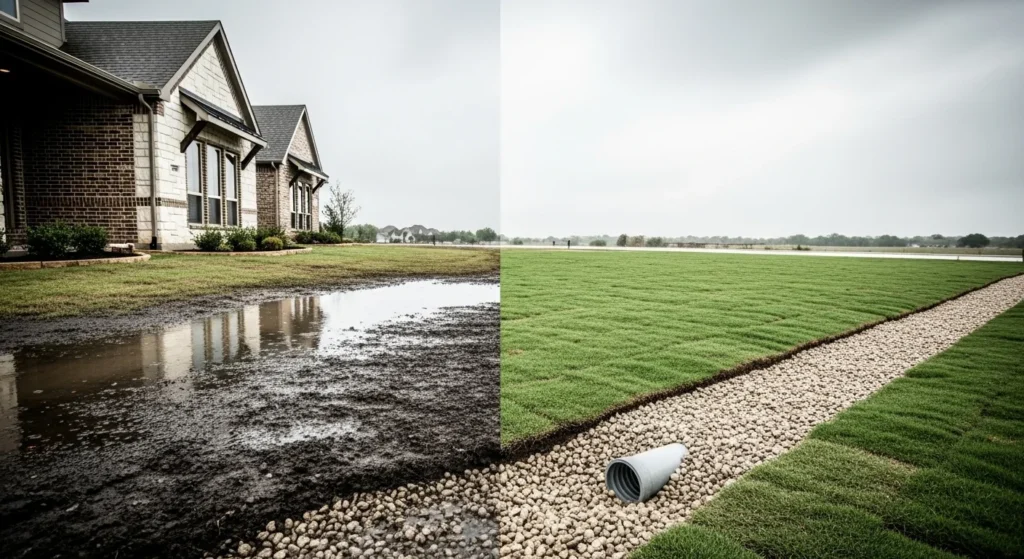
Excess water in your yard is more than just an inconvenience. It can cause serious damage to your landscaping, your home’s foundation, and even attract pests. Understanding the causes of poor drainage and knowing how to fix them can save you time, money, and a lot of headaches. In this guide, we’ll explore the most common drainage problems homeowners face and practical solutions to keep your yard dry and healthy. Why Is Yard Drainage So Important? Proper drainage prevents standing water that can kill grass, drown plants, erode soil, and cause water damage to your home’s foundation. A well-drained yard also reduces the risk of mold, mildew, and mosquito breeding. Common Signs of Drainage Problems Wondering if you have a drainage issue? Look for these telltale signs: If you spot any of these signs, it’s time to take action! What Causes Poor Drainage in Yards? Several factors can contribute to drainage problems, including: Understanding the root cause is the first step to finding the right solution. How to Fix Yard Drainage Problems Depending on the severity of the problem, there are several ways to improve drainage in your yard: 1. Regrade Your Yard A landscaping professional can adjust the slope of your yard so water flows away from your home. This is one of the most effective long-term solutions. 2. Install a French Drain A French drain is a gravel-filled trench with a perforated pipe that redirects water away from problem areas. It’s a popular choice for addressing standing water in low-lying spots. 3. Build a Dry Creek Bed A dry creek bed uses rocks and gravel to create a natural-looking drainage channel. It’s both functional and attractive, guiding water safely away from your yard. 4. Aerate and Amend Soil If your soil is compacted or clay-heavy, aerating and mixing in organic matter can improve absorption and reduce runoff. 5. Extend Downspouts Make sure your downspouts extend at least 6 to 10 feet away from your home’s foundation. This helps prevent water from pooling near the base of your house. What Not To Do Ignoring drainage problems can lead to costly repairs and long-term damage to your home and landscaping. By recognizing the signs and addressing them promptly, you’ll protect your property and keep your yard healthy for years to come. If you’re dealing with standing water or other drainage headaches, contact Black Hill Landsaping today for a personalized consultation and a yard you can be proud of. When to Call a Professional While some minor drainage issues can be solved with DIY solutions, more serious problems often require professional expertise. At Black Hill Landscaping, we specialize in diagnosing and fixing yard drainage problems of all sizes. Our team can design and install effective drainage systems tailored to your property’s unique needs.
Sod Installation Secrets: How to Get a Thick, Lush Lawn in Just 30 Days

A beautiful, green lawn doesn’t have to take years to achieve. With the right sod installation techniques, you can transform your yard in as little as 30 days. Whether you’re tired of patchy grass or starting from scratch, this guide will show you how to get that thick, lush lawn you’ve always wanted. Why Choose Sod Instead of Seeding? Sod offers instant results. Instead of waiting months for grass seed to fill in, sod gives you a fully grown lawn from day one. It also prevents soil erosion and reduces weeds, making it an excellent choice for homeowners who want quick, professional-looking results. When to Install Sod The best time to install sod in Texas is during spring or early fall. These seasons provide optimal temperatures and moisture levels, allowing the roots to establish quickly. Avoid laying sod during the hottest part of summer, as it can dry out and struggle to take root. Step-by-Step Sod Installation Process 1. Prepare the Soil Start by removing existing grass, weeds, and debris. Use a rototiller to loosen the soil and create a smooth surface. Adding compost or topsoil improves nutrient content and drainage. 2. Grade the Area Make sure your yard is graded so water drains away from your home. This prevents pooling and promotes even growth. 3. Level and Firm the Soil Use a rake to level the soil, then lightly water it and pack it down with a roller. This creates a stable base for your sod. 4. Lay the Sod Begin laying sod along a straight edge, such as a driveway or sidewalk. Stagger the seams like bricks to avoid creating visible lines. 5. Press the Seams Gently press the seams together to avoid gaps. This helps the sod knit together faster and prevents weeds from taking root. 6. Water Immediately A properly functioning sprinkler system is essential for a successful sod installation. As soon as the sod is in place, give it a thorough soaking. Continue watering daily for the first two weeks, then gradually reduce to a regular schedule. How to Care for New Sod Watering Schedule Mowing Wait until the grass reaches about 3 inches tall before mowing. Never cut more than one-third of the grass height in a single mowing session. Fertilizing Apply a balanced fertilizer after the sod has been established for at least four weeks. This encourages deep roots and a healthy lawn. Common Mistakes to Avoid When to Call a Professional While some homeowners tackle sod installation themselves, hiring a professional ensures the job is done right the first time. At Black Hill Landscaping, we handle every step; from soil prep to watering schedule, so you can enjoy a beautiful, green lawn without the guesswork. Final Thoughts Installing sod is one of the fastest ways to get a lush, green lawn. By following these steps and avoiding common mistakes, you can enjoy a thick, healthy yard in just 30 days. Ready to transform your landscape? Contact Black Hill Landscaping today for a free sod installation estimate and let’s get started on the yard of your dreams.
From Brown to Green: Advanced Soil Health Strategies for Vibrant Texas Lawns
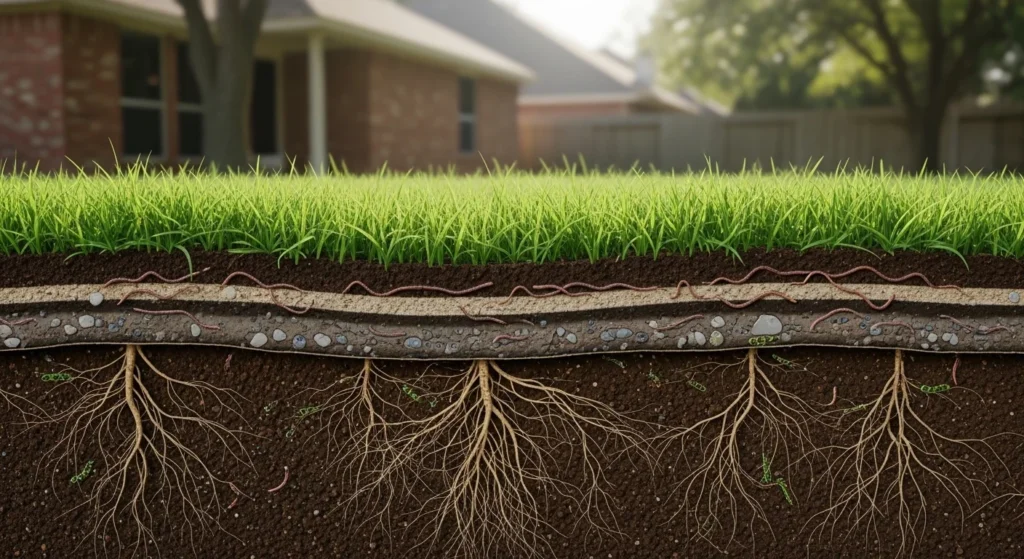
In the heart of Texas, where the summers are scorching and the clay-heavy soil is notoriously difficult to work with, maintaining a lush, green lawn can seem like an uphill battle. At Black Hill Landscaping, we understand that a vibrant lawn doesn’t start with just water and sunlight, it begins with healthy, nutrient-rich soil. In this blog, we’ll explore advanced soil health strategies tailored for Texas lawns, helping you turn brown patches into a green oasis. Whether you’re a DIY enthusiast or seeking professional help, these 7 tips will guide you every step of the way. 1. The Hidden Life Beneath Your Lawn Healthy soil is alive with microbes, fungi, and other microorganisms that work together to nourish your grass. Without these key players, your lawn might look good temporarily, but it won’t thrive long-term. The Role of Microbes in Soil Health Microbes break down organic matter into nutrients your grass can absorb. When soil lacks microbial diversity, nutrient uptake decreases, leading to stunted grass growth. Fungi: The Unsung Heroes Mycorrhizal fungi form symbiotic relationships with grass roots, expanding the root system and improving water and nutrient absorption. Learn more about the benefits of natural fertilizers here. 2. Testing Your Soil: The Foundation of Success The secret to transforming your lawn starts with understanding what’s happening below the surface. Soil testing reveals pH levels, nutrient deficiencies, and more. DIY vs. Professional Testing Pro Tip: Conduct soil tests at least once a year, ideally in the early spring, to identify and address problems before the growing season. Interpreting Results 3. Aeration: The Secret Weapon for Texas Clay Soil One of the biggest challenges in Texas is dealing with compacted clay soil. Without proper aeration, water and nutrients struggle to penetrate the soil, leaving your lawn thirsty and malnourished. Mechanical Aeration Traditional core aeration involves pulling small plugs of soil from your lawn, creating pathways for air, water, and nutrients to reach the roots. Liquid Aeration: The Modern Alternative For a less invasive approach, liquid aeration uses surfactants to break up compacted soil. This method improves water infiltration without the need for machinery. 4. Compost: The All-Natural Lawn Booster Adding compost is one of the simplest and most effective ways to enrich your soil. It not only improves nutrient content but also enhances soil structure, making it easier for roots to grow. How to Incorporate Compost Compost Tea: A Liquid Miracle Compost tea is a nutrient-rich liquid made by steeping compost in water. It’s easy to apply and delivers a quick boost of nutrients to your lawn. Pro Tip: Use high-quality, locally sourced compost to ensure it’s free from contaminants or weed seeds. 5. Mulching: Nature’s Way of Protecting Your Lawn Mulching not only suppresses weeds but also retains moisture and gradually releases nutrients into the soil. Grass Clippings as Mulch After mowing, leave grass clippings on the lawn to decompose naturally. This method, called grasscycling, reduces the need for additional fertilizers. Wood Chips and Bark Mulch For garden beds or tree rings, organic mulches like wood chips provide long-lasting benefits, including weed suppression and soil insulation. 6. Advanced Soil Additives for Texas Lawns If your lawn is still struggling after implementing these basics, advanced soil amendments may be the answer. Gypsum Gypsum improves clay soil by breaking up compacted particles, enhancing drainage and root penetration. Humic Acid Derived from natural organic matter, humic acid boosts nutrient availability and promotes root growth. Worm Castings This supercharged organic material is packed with nutrients and beneficial microbes, making it a premium addition to any soil improvement plan. 7. When to Call in the Professionals Transforming your soil is a process that requires time and patience. While DIY efforts can yield significant improvements, professional help often accelerates results. At Black Hill Landscaping, we offer comprehensive soil health evaluations and personalized treatment plans. Our experts use state-of-the-art tools and techniques to revitalize your lawn from the ground up. Final Word A lush, green lawn in Texas isn’t just about watering or mowing, it’s about building a foundation of healthy soil. By understanding the science of soil health, testing your soil, and using advanced techniques like aeration and composting, you can transform your lawn into a vibrant outdoor space that thrives in even the toughest conditions. Ready to take the next step? Contact us at Black Hill Landscaping to schedule a soil health assessment and get your lawn on the path from brown to green.
Leaves vs. Commercial Properties: Dangers and Smart Solutions

Falling leaves might look picturesque, but for commercial property managers, they’re more than just a seasonal nuisance. Leaves can cause serious damage, impact property aesthetics, and even pose safety hazards if not managed properly. Here’s everything you need to know about dealing with leaves on your commercial property—why they’re a problem and how to handle them effectively. The Problem with Leaves on Commercial Properties While a carpet of autumn leaves can be charming, it’s essential to address their potential risks: Best Practices for Managing Leaves Managing leaves effectively doesn’t have to be overwhelming. Here’s how to keep your commercial property leaf-free and damage-free: Regular Leaf Removal Gutter Maintenance Mulching Instead of Disposing Composting Tree Trimming Professional Leaf Management Services Why Leaf Management Matters for Commercial Properties Taking proactive measures to manage leaves isn’t just about avoiding inconvenience—it’s about protecting your property investment. Proper leaf management can: Call in the Experts Managing leaves on a commercial property can feel like an endless task, but it doesn’t have to be. At Black Hill Landscaping, we specialize in professional property maintenance tailored to your needs. Our expert team ensures your property remains pristine, safe, and damage-free—no matter the season. Contact us today for a free consultation, and let’s make sure your property stays beautiful year-round.
Planning Landscape Upgrades for Commercial Properties: When and How to Budget Smart

For commercial property owners and managers, a well-maintained landscape is more than just an aesthetic feature—it’s a reflection of your brand’s professionalism and value. Upgrading your property’s landscaping requires thoughtful planning and strategic budgeting to ensure success. Knowing the right time to act and what to include in your budget can save money and create stunning, lasting results. When Is the Best Time for Landscape Upgrades? Timing is everything when it comes to landscape upgrades. Here’s how the seasons affect planning and implementation: Fall and Winter: Prime Planning Season Spring: Perfect for Implementation Summer: Maintenance Overhaul Creating a Landscape Budget For Your Property Effective budgeting for landscape upgrades is a collaborative effort between property managers and landscape professionals. Here’s how to get started: Assess Your Current Landscape Set Realistic Goals Get Expert Input Include Key Budget Items Don’t overlook these essential elements when creating your budget: Things to Consider When Planning Your Budget When setting your budget, factor in these considerations: Partnering with Professionals for Success Collaborating with a trusted landscaping company can simplify the process of planning and executing your upgrades. Professionals bring expertise, creative ideas, and cost-saving strategies to ensure your project runs smoothly from start to finish. Ready to Transform Your Property? At Black Hill Landscaping, we specialize in helping commercial properties create beautiful, functional, and sustainable landscapes. Whether you’re planning next year’s upgrades or need help fine-tuning your budget, our team is here to guide you every step of the way. Contact us today for a consultation, and let’s start planning a landscape that elevates your property to the next level!